THE CASEROVA JOURNAL
News & Insights
Industry updates and practical perspectives on civilian equipment protection, transport cases and manufacturing.
The latest from the field
Parcel and LTL Shipments Call for Different Test Plans
ISTA lists separate procedures for parcel and less-than-truckload distribution. Selecting a test starts with the actual route and packed product.
Read story
Molded-In Inserts Need a Hardware Load Plan
ARM explains that metal inserts can be encapsulated during rotomolding. Handle and latch attachments should be designed for their actual loads.
Read story
Plan for Shrinkage Before Specifying Case Fit
ARM describes how cooling and draft influence dimensional stability. Lid fit, liner clearance and gasket contact should be checked on molded samples.
Read story
Rounded Corners Help Both Strength and Moldability
The ARM design guide explains why generous corner radii reduce stress concentration and help plastic fill a rotating mold.
Read story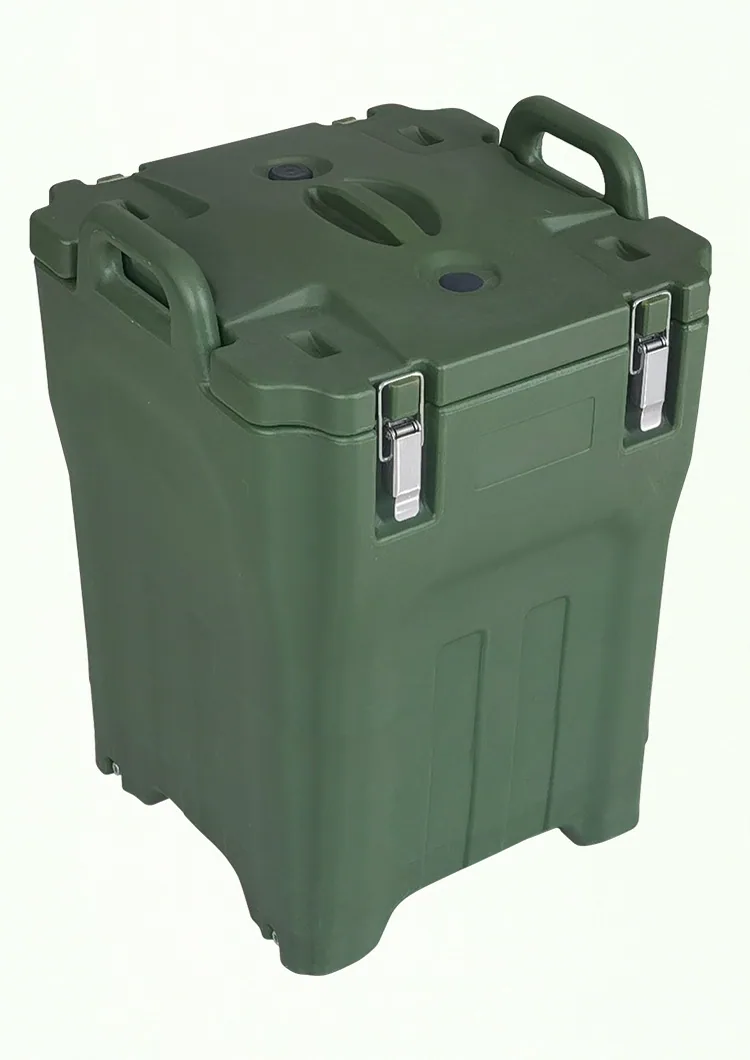
Ribs Can Improve Stiffness Without Excess Shell Weight
ARM describes how strategically placed ribs stiffen rotomolded parts. For transport cases, rib layout should follow handling and stacking loads.
Read story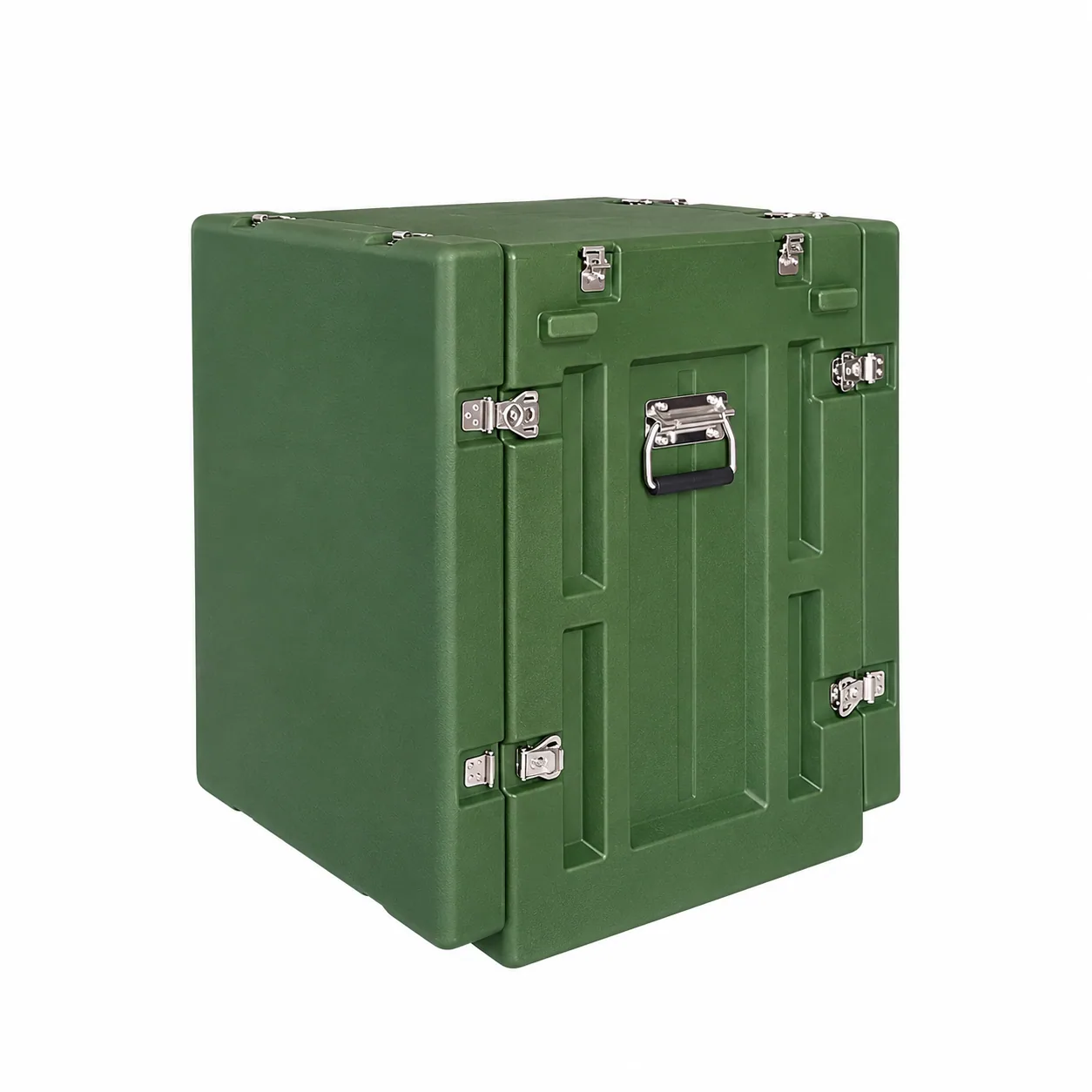
Large Flat Panels Need Shape and Support
ARM warns that broad flat areas on rotomolded parts can bow. Case lids and fold-out work surfaces benefit from early geometry review.
Read story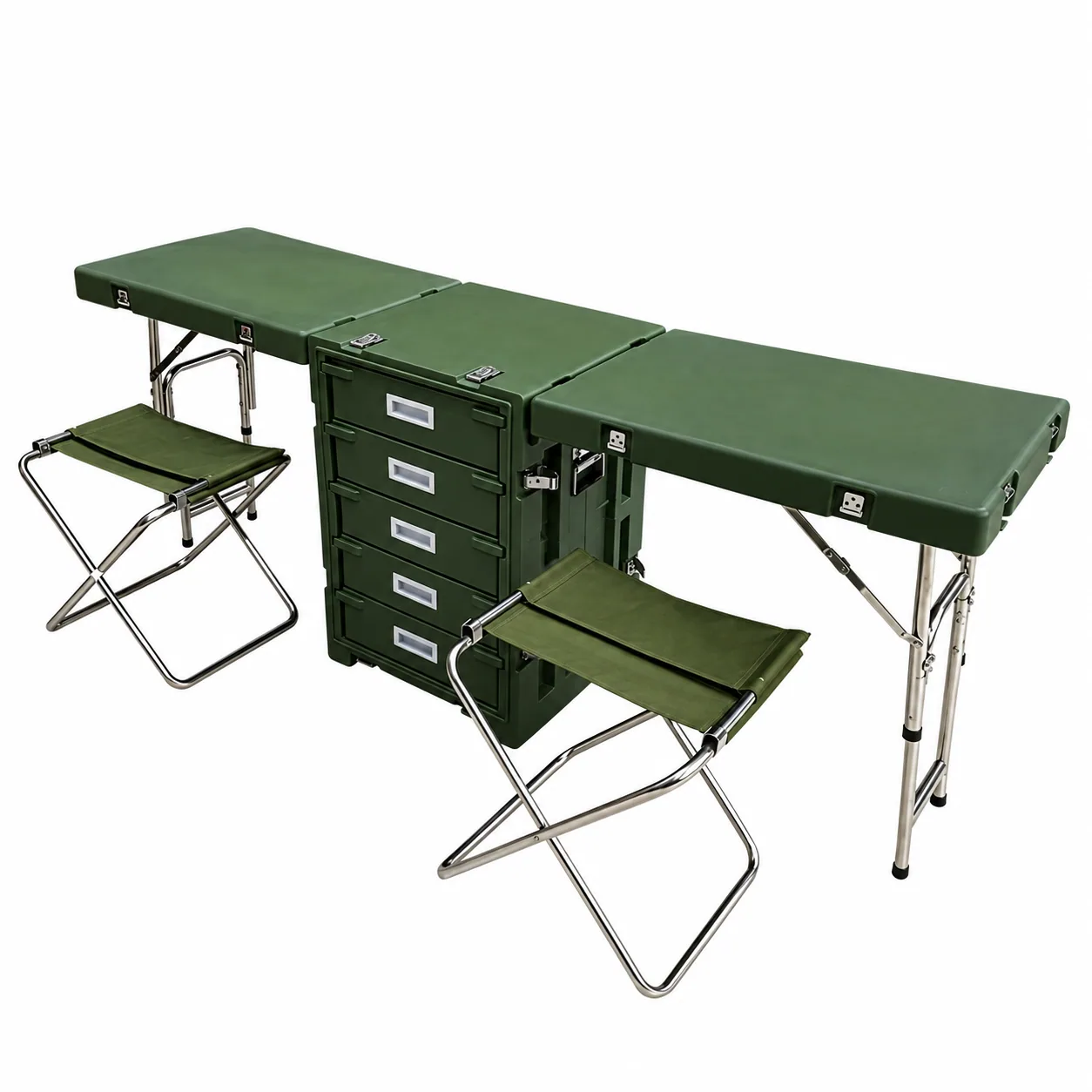
Wall-Thickness Uniformity Is a Quality-Control Question
ARM’s design guide explains why rotomolded walls are not perfectly uniform. Buyers can turn that reality into an inspection plan.
Read story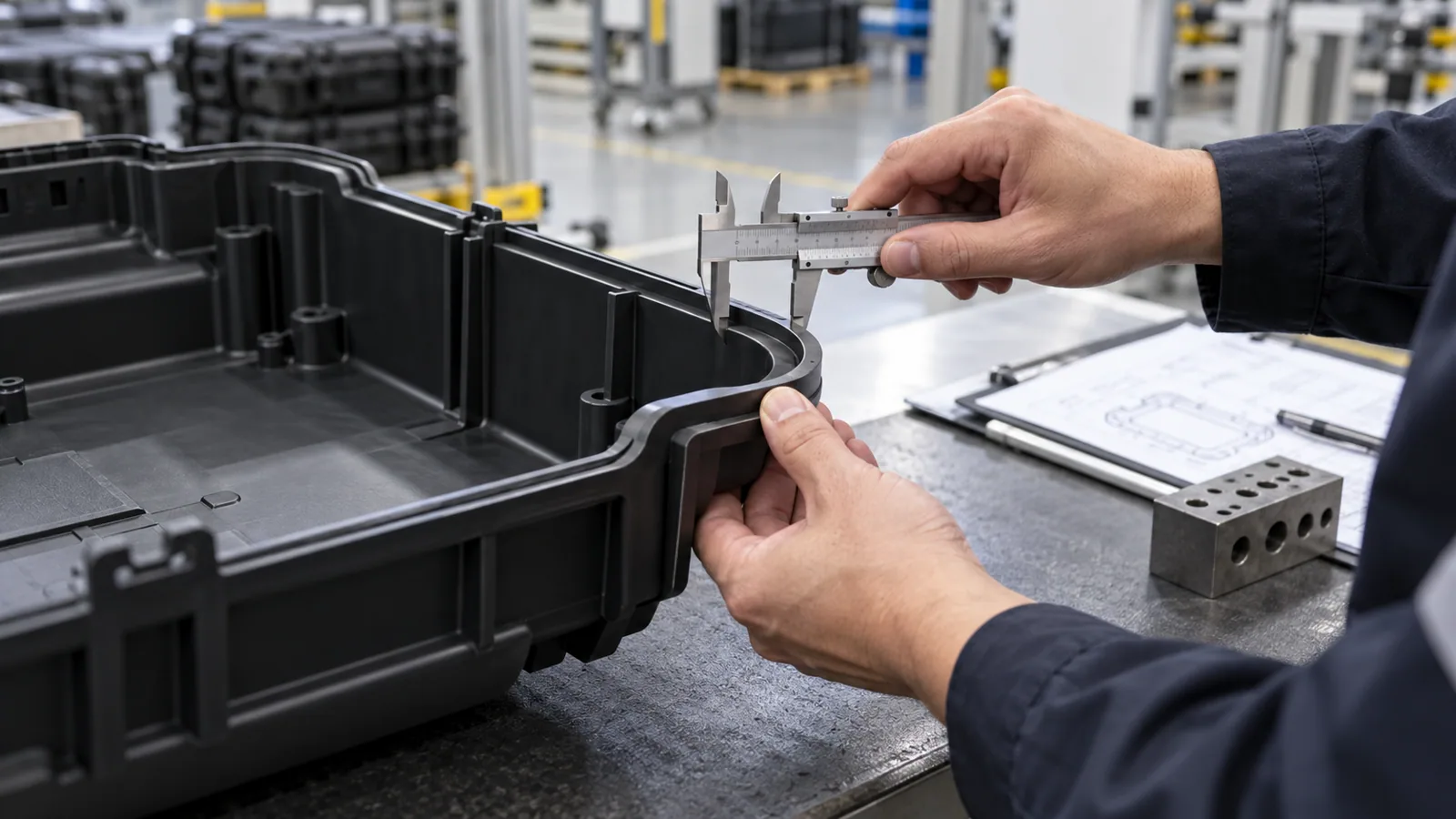
Specify Minimum Wall Thickness, Not Only the Average
The Association of Rotational Molders distinguishes nominal from minimum wall thickness. For protective cases, local thin areas may govern performance.
Read story
Why Polyethylene Grade Matters in Rotomolded Cases
The Association of Rotational Molders identifies polyethylene as the dominant rotomolding material. Selecting a grade for processability and end use matters more than a generic PE label.
Read story