Wall-Thickness Uniformity Is a Quality-Control Question
ARM’s design guide explains why rotomolded walls are not perfectly uniform. Buyers can turn that reality into an inspection plan.

The Association of Rotational Molders notes that outside corners may be thicker and sharp inside corners thinner than broad wall sections. It describes typical commercial variation and the extra process effort associated with tighter control. Those figures are general guidance, not a tolerance automatically achieved by every product.
Measure where the design is sensitive
Uniformity should be assessed at agreed locations rather than by one convenient measurement. A wall can look robust while a local thin point near a corner or fitting creates a weakness. In a case project, inspection points should relate to actual load paths and assembly needs.
- Mark repeatable measurement locations on a drawing or inspection sheet.
- Separate corner readings from broad-panel readings.
- Use sample data to set realistic tolerances with the molder.
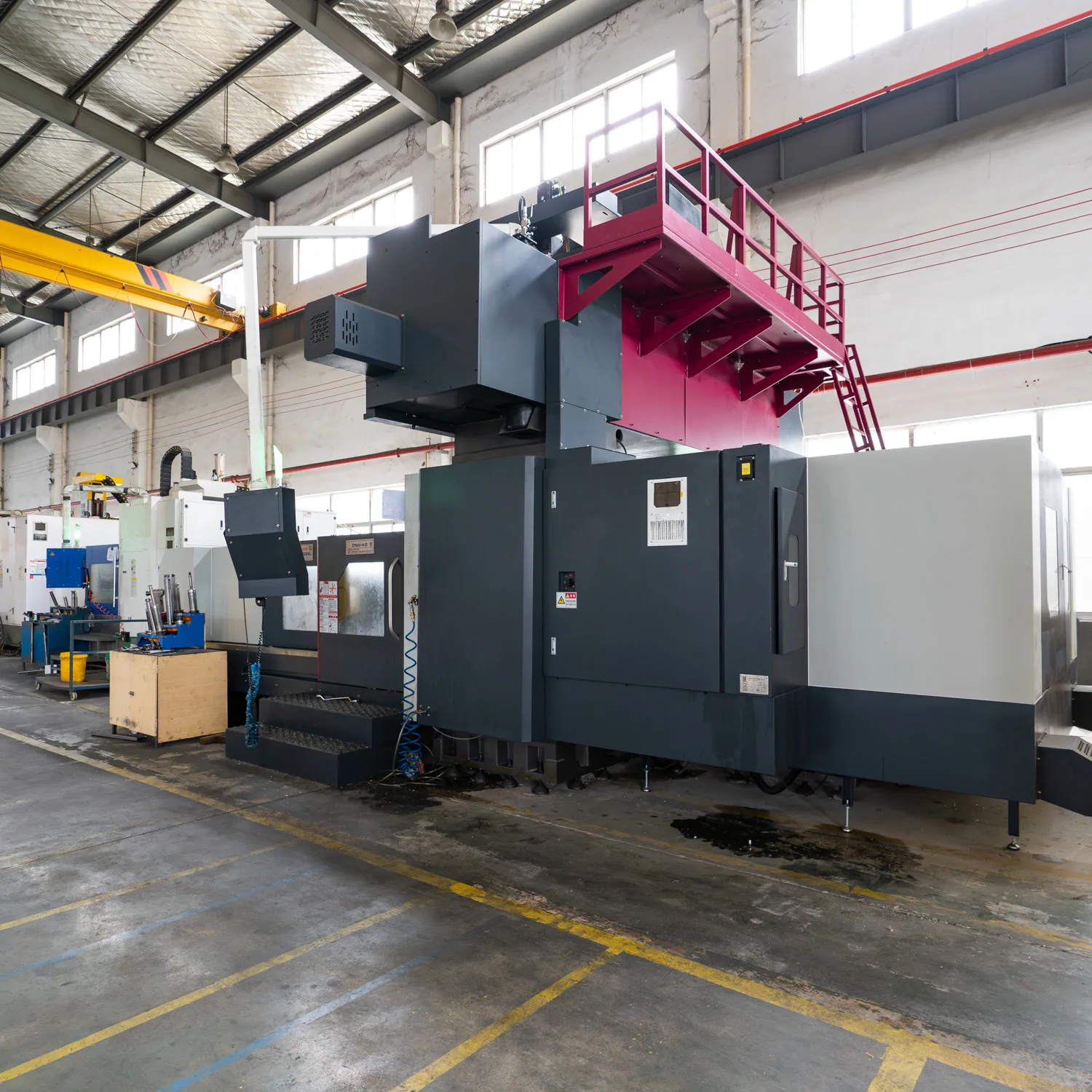
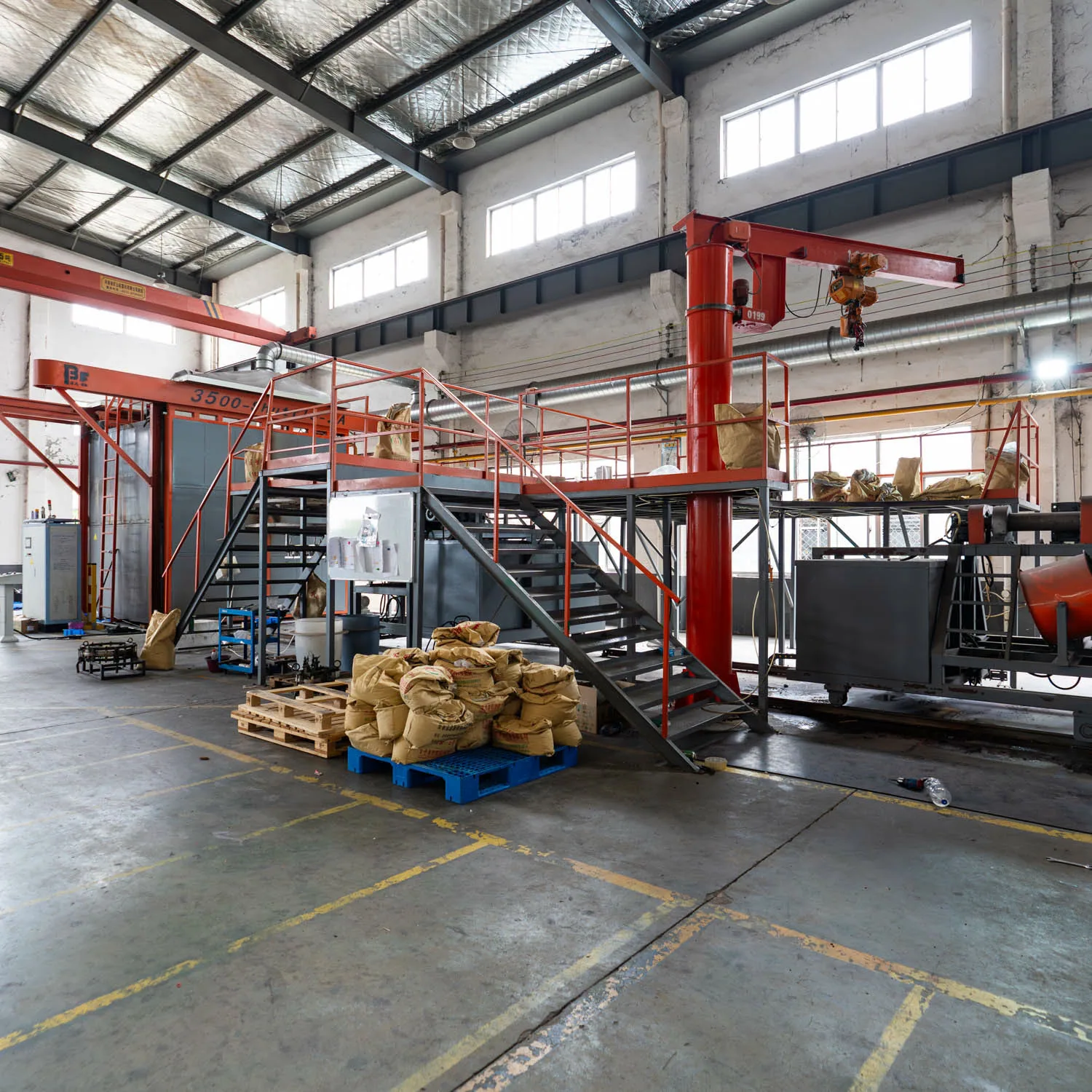
The inspection image is illustrative; it is not a record of a specific test or a claim about CASEROVA production tolerances.
Source: Association of Rotational Molders — Wall Thickness Uniformity