Molded-In Inserts Need a Hardware Load Plan
ARM explains that metal inserts can be encapsulated during rotomolding. Handle and latch attachments should be designed for their actual loads.
The ARM guide describes temporarily fixing a metal insert in the mold so plastic forms around it during the cycle. It emphasizes that in a standard polyethylene part the grip is mechanical, not a chemical bond. Insert shape, position and service conditions all influence performance.
A fastener is only as good as its support
For a case, hardware loads can come from lifting, rolling, repeated opening and shock. An insert should not be selected only by thread size. The surrounding wall and access for assembly or repair are part of the design.
- Estimate lifting and dynamic loads for every handle and wheel location.
- Specify torque and pull-out checks when relevant.
- Review corrosion, temperature and replacement requirements for hardware.
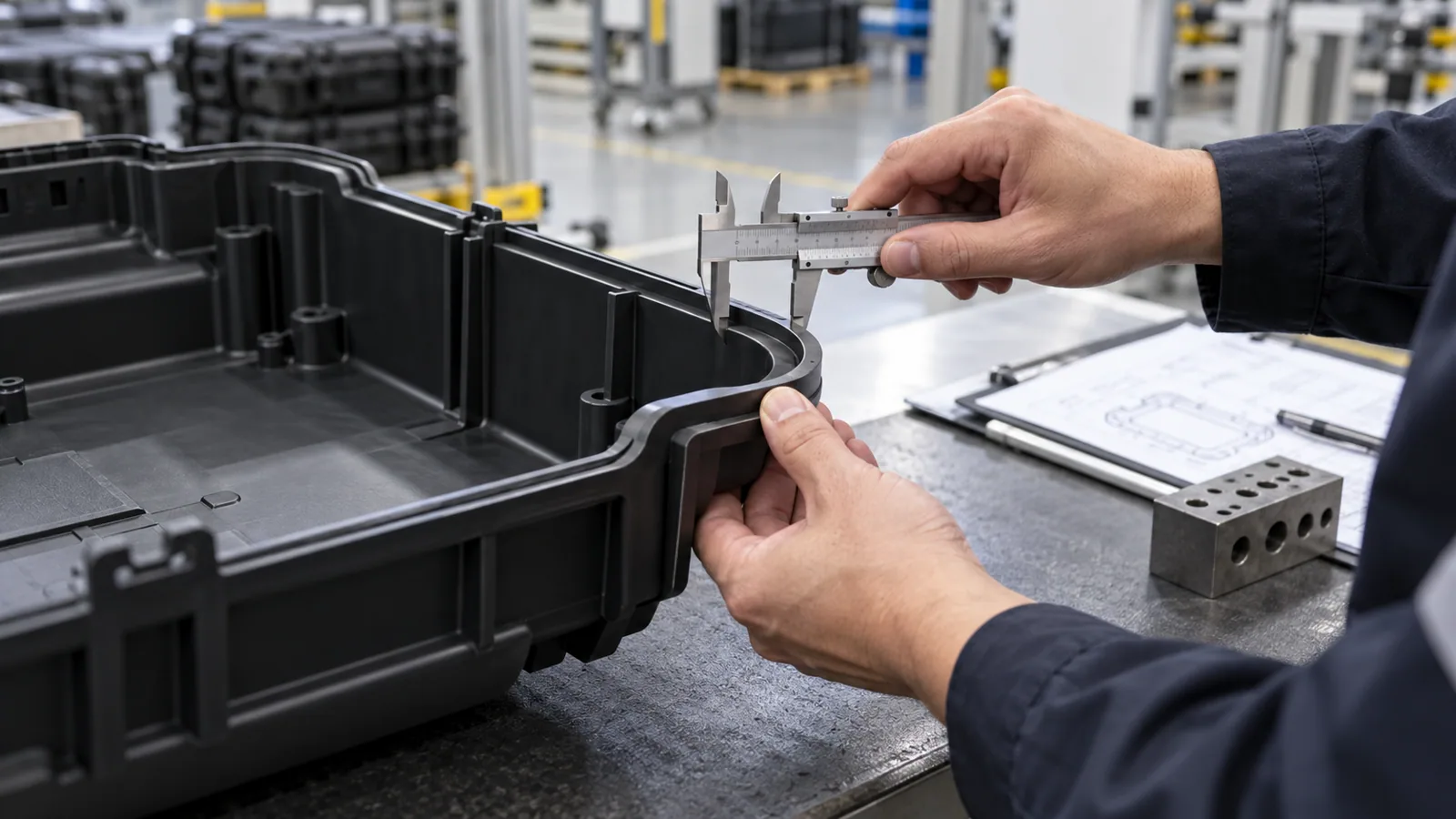
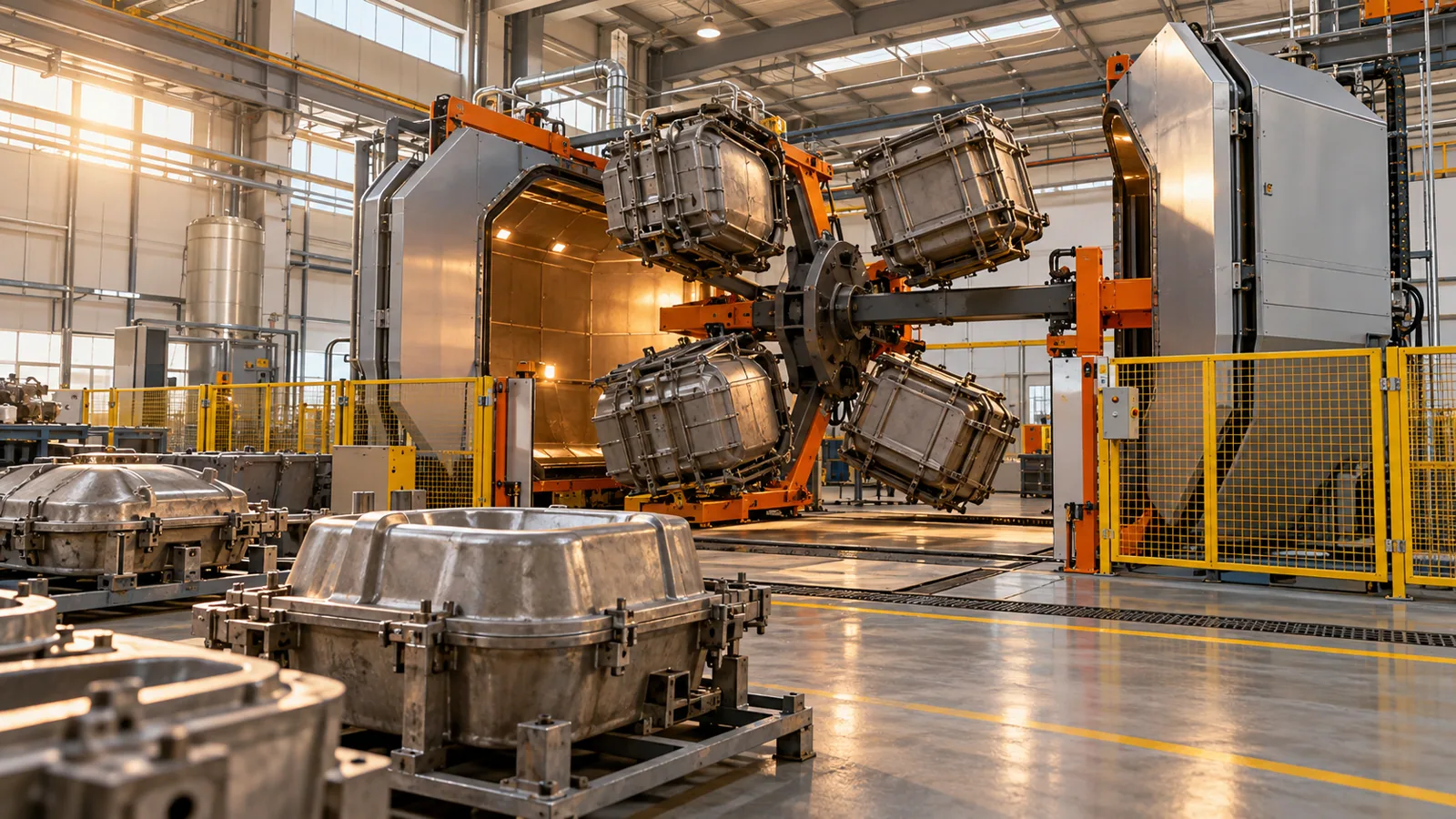
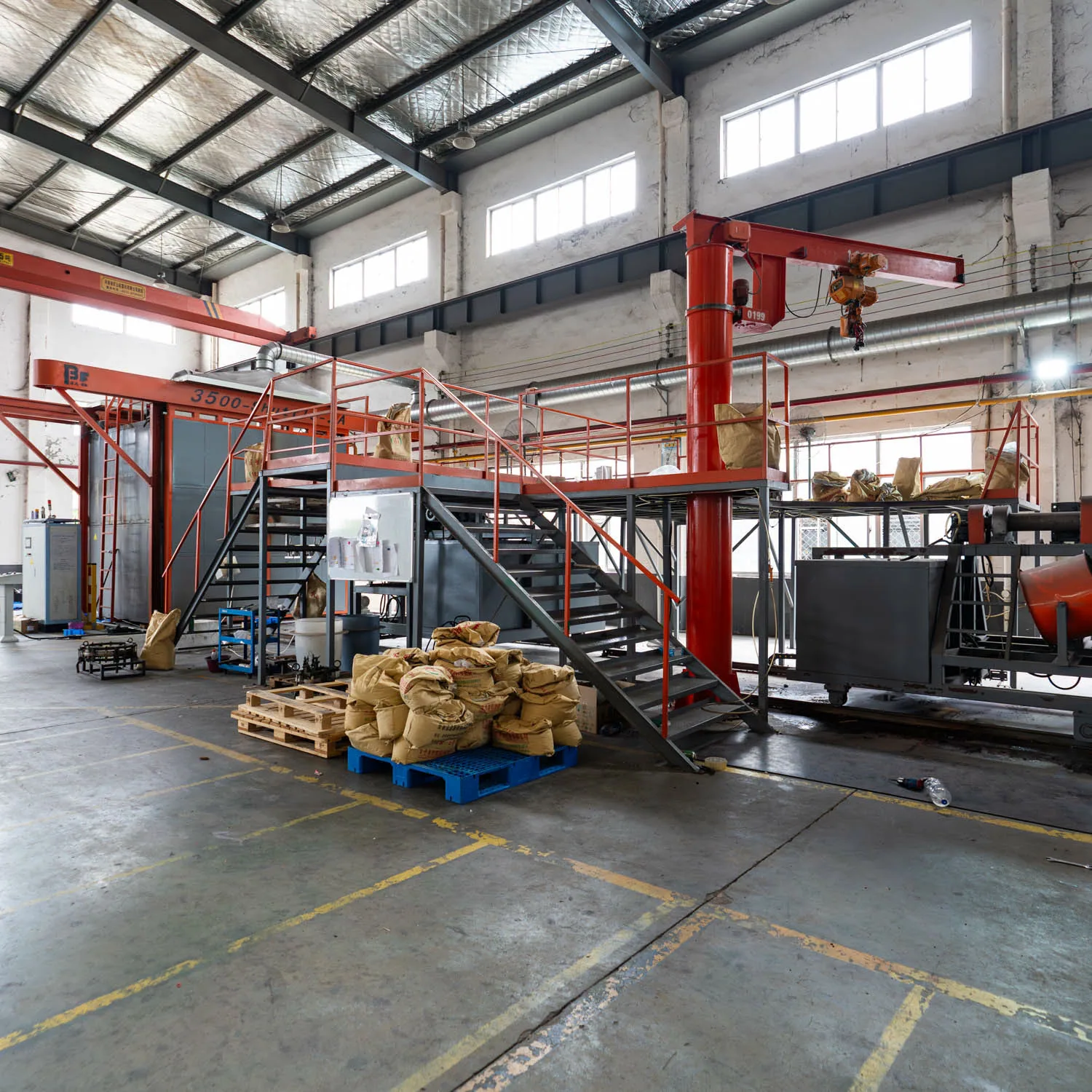
The workshop cover is a general manufacturing image, not an insert test or certification.
Source: Association of Rotational Molders — Molded-In Inserts