Rotomolding Quality Starts With Heat, Rotation and Cooling
The Association of Rotational Molders explains how powder coats a rotating mold and cools into a hollow part. Each stage affects the eventual case shell.
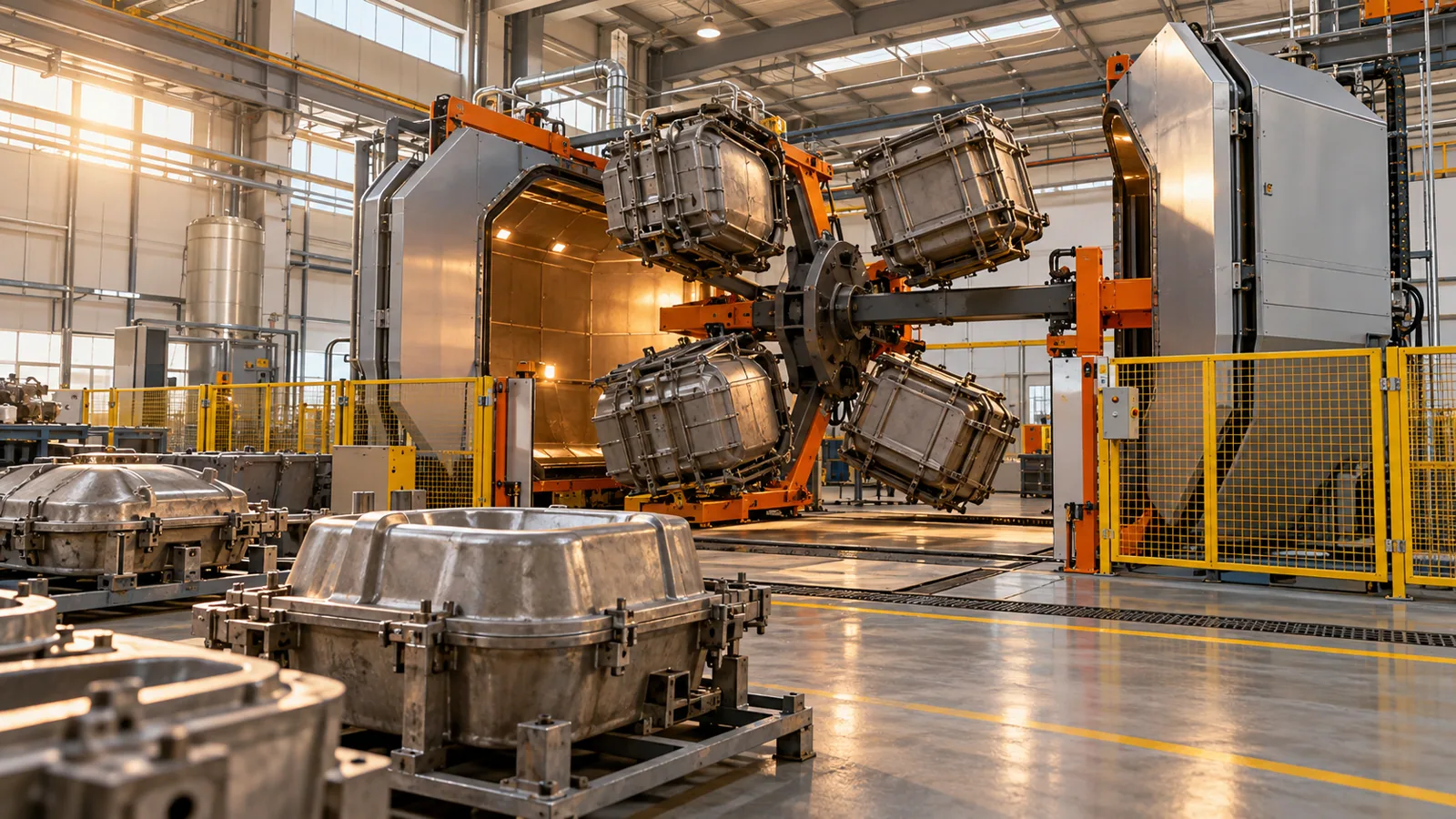
The Association of Rotational Molders describes charging a mold with measured plastic, heating while the mold rotates on two axes, and then cooling before demolding. Its guide notes that too much heat can degrade material, while uneven cooling can contribute to shrinkage and warpage.
What a buyer should specify
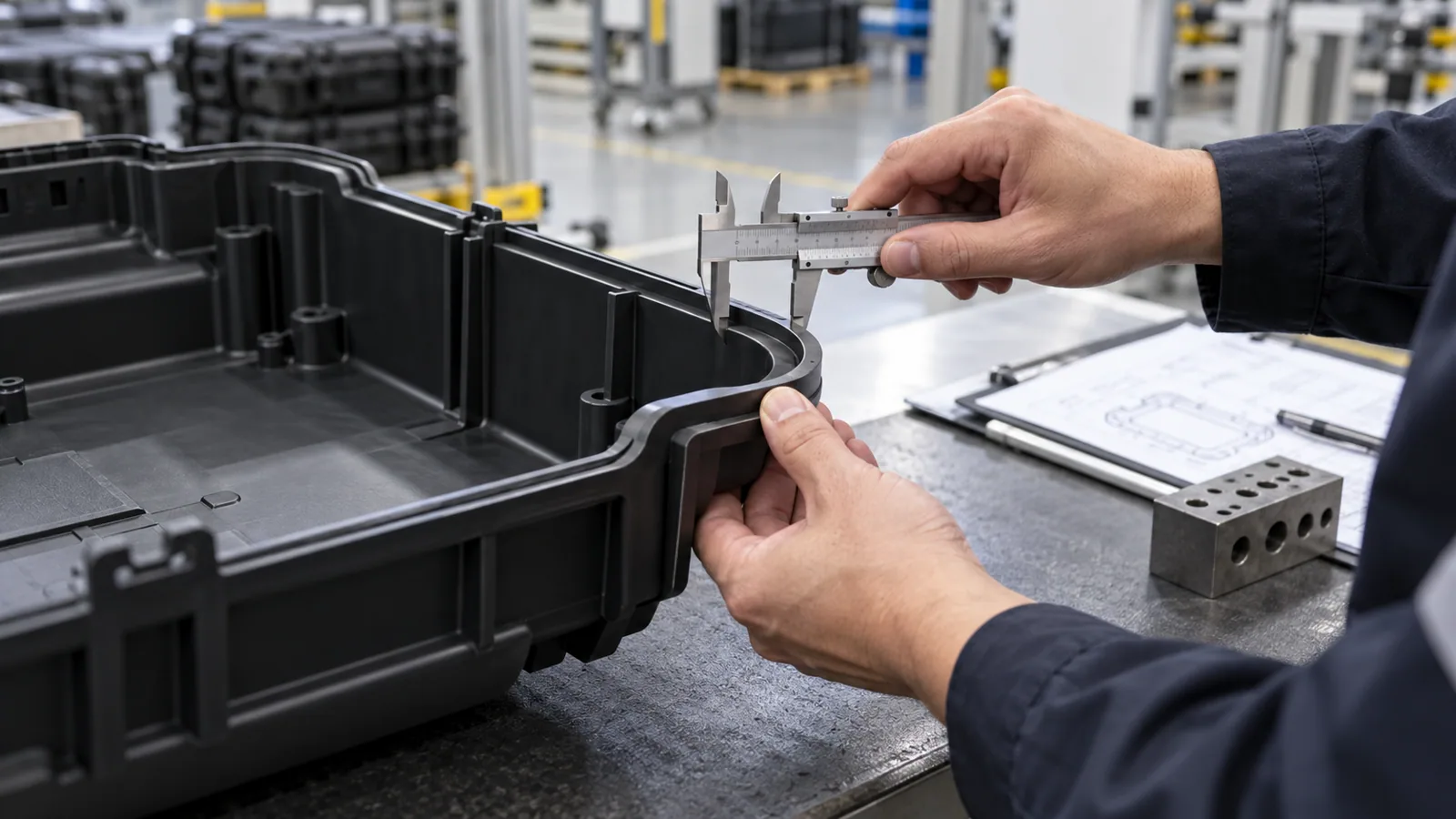
A case drawing is only the starting point. Wall distribution, dimensions and fit depend on material grade, mold geometry and process control. For a custom case, the buyer should agree on inspection points and permissible variation rather than assuming the nominal drawing will emerge unchanged.
- Define critical dimensions such as lid fit and hardware mounting points.
- Request a first-article inspection before a full production run.
- Review any material or process change that could alter the shell.
The association guide is technical education, not evidence that any individual CASEROVA product has passed a particular test.
Source: Association of Rotational Molders — The Rotational Molding Process