THE CASEROVA JOURNAL
News & Insights
Industry updates and practical perspectives on civilian equipment protection, transport cases and manufacturing.
Case Design & Materials
Revised Rotomolding Guide Refreshes the Case-Design Reference
The Association of Rotational Molders revised its design guide in 2026. The update gives case designers a current reference for process, materials and part geometry.
Read story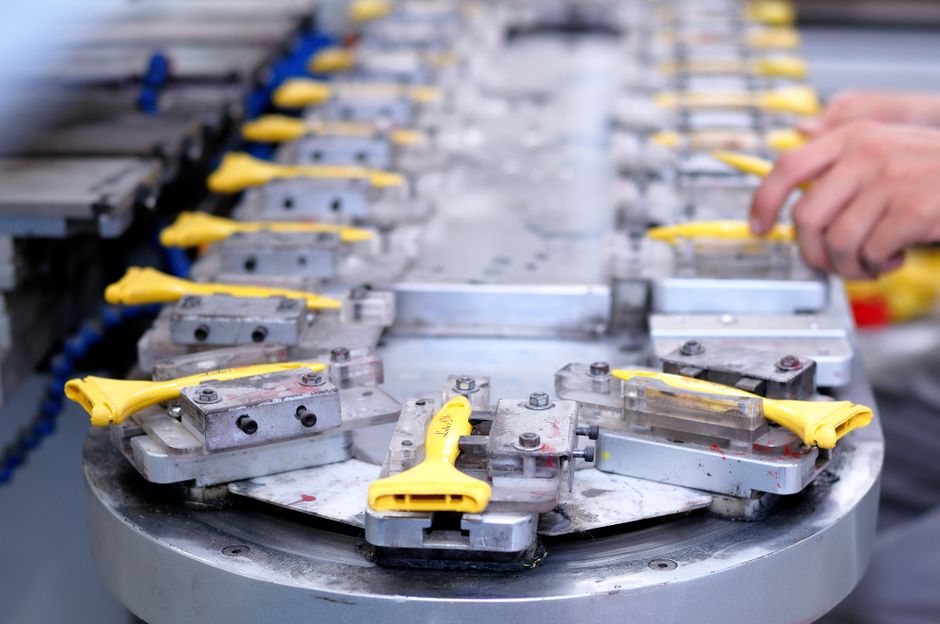
Plan for Shrinkage Before Specifying Case Fit
ARM describes how cooling and draft influence dimensional stability. Lid fit, liner clearance and gasket contact should be checked on molded samples.
Read story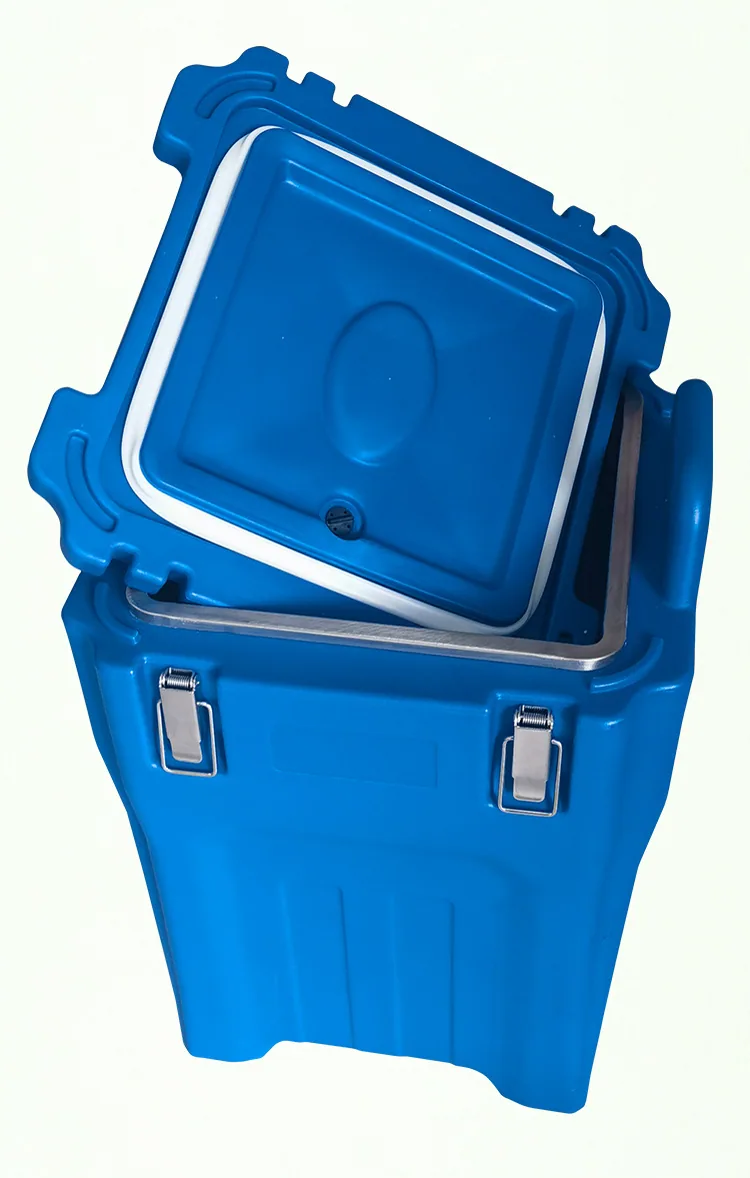
Rounded Corners Help Both Strength and Moldability
The ARM design guide explains why generous corner radii reduce stress concentration and help plastic fill a rotating mold.
Read story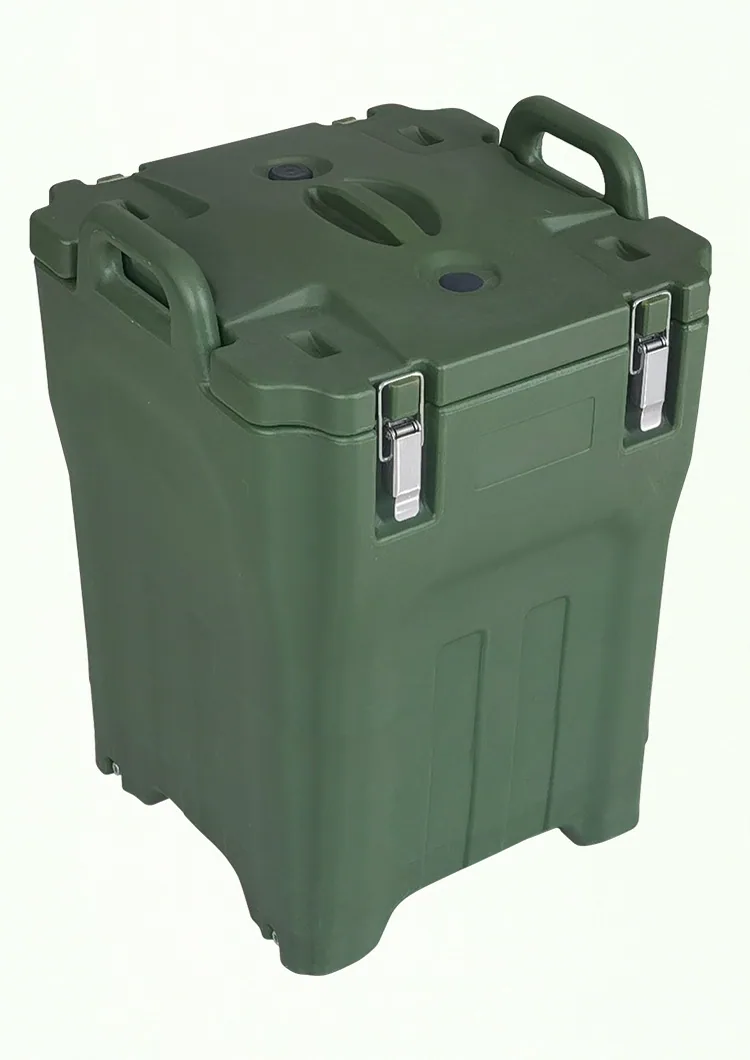
Ribs Can Improve Stiffness Without Excess Shell Weight
ARM describes how strategically placed ribs stiffen rotomolded parts. For transport cases, rib layout should follow handling and stacking loads.
Read story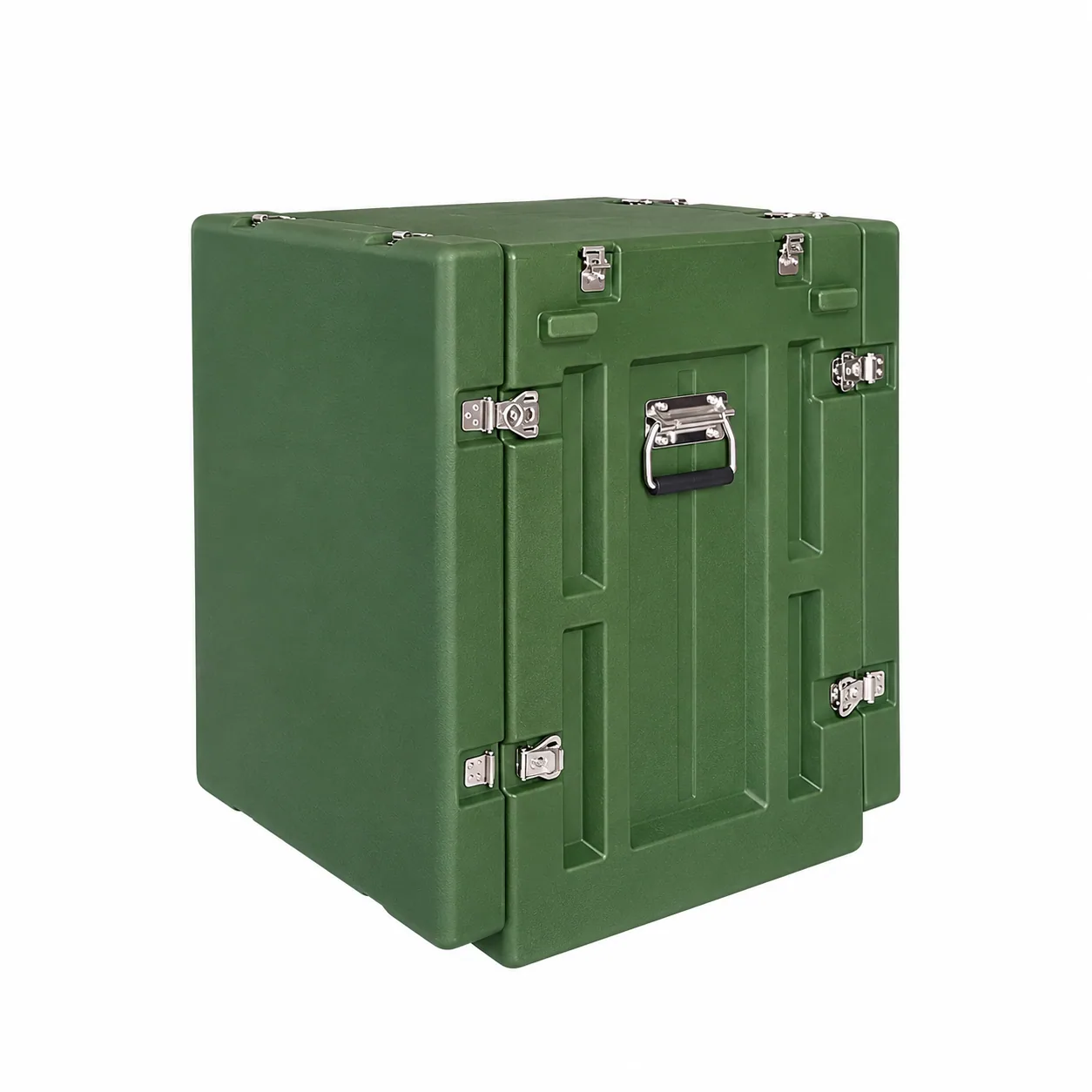
Large Flat Panels Need Shape and Support
ARM warns that broad flat areas on rotomolded parts can bow. Case lids and fold-out work surfaces benefit from early geometry review.
Read story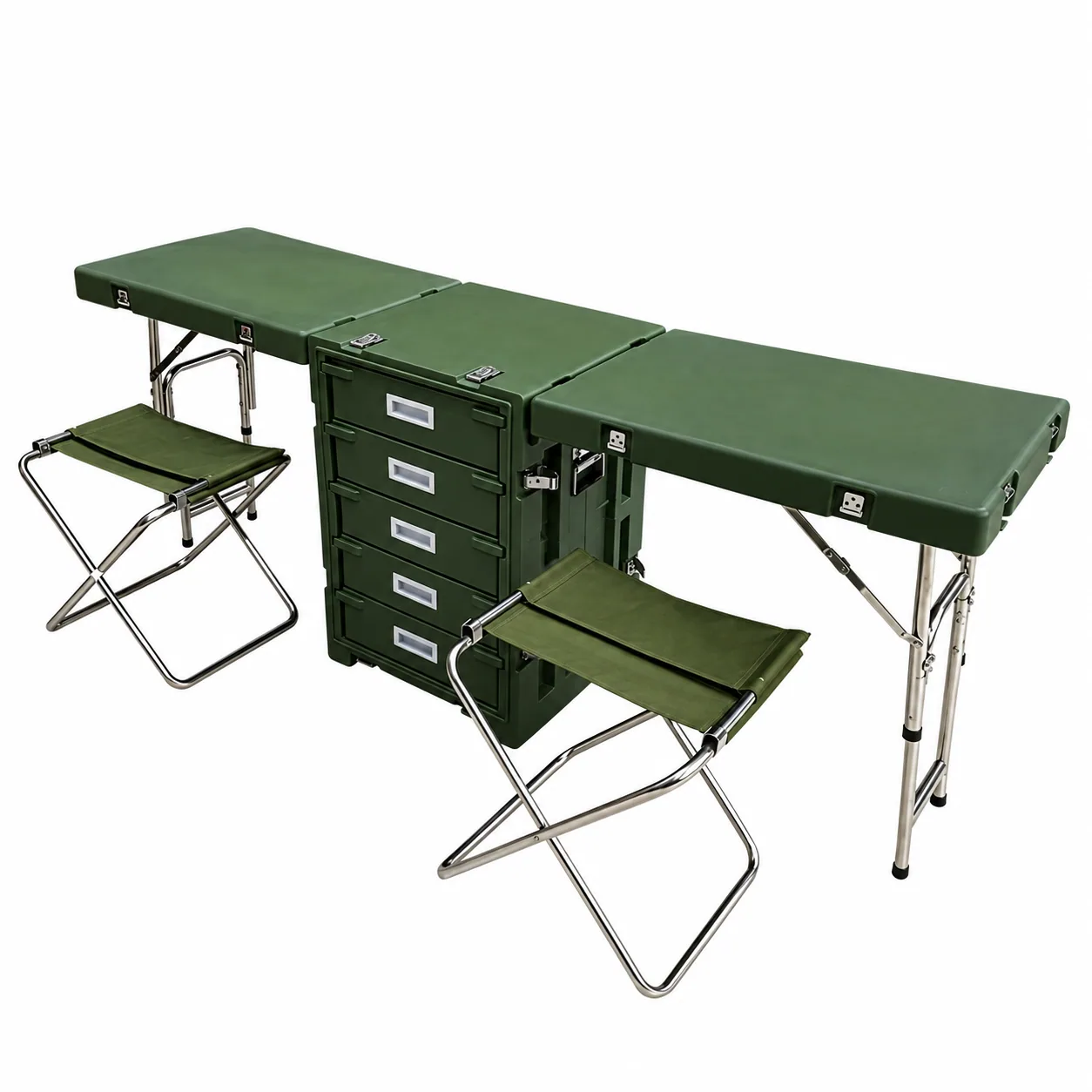
Specify Minimum Wall Thickness, Not Only the Average
The Association of Rotational Molders distinguishes nominal from minimum wall thickness. For protective cases, local thin areas may govern performance.
Read story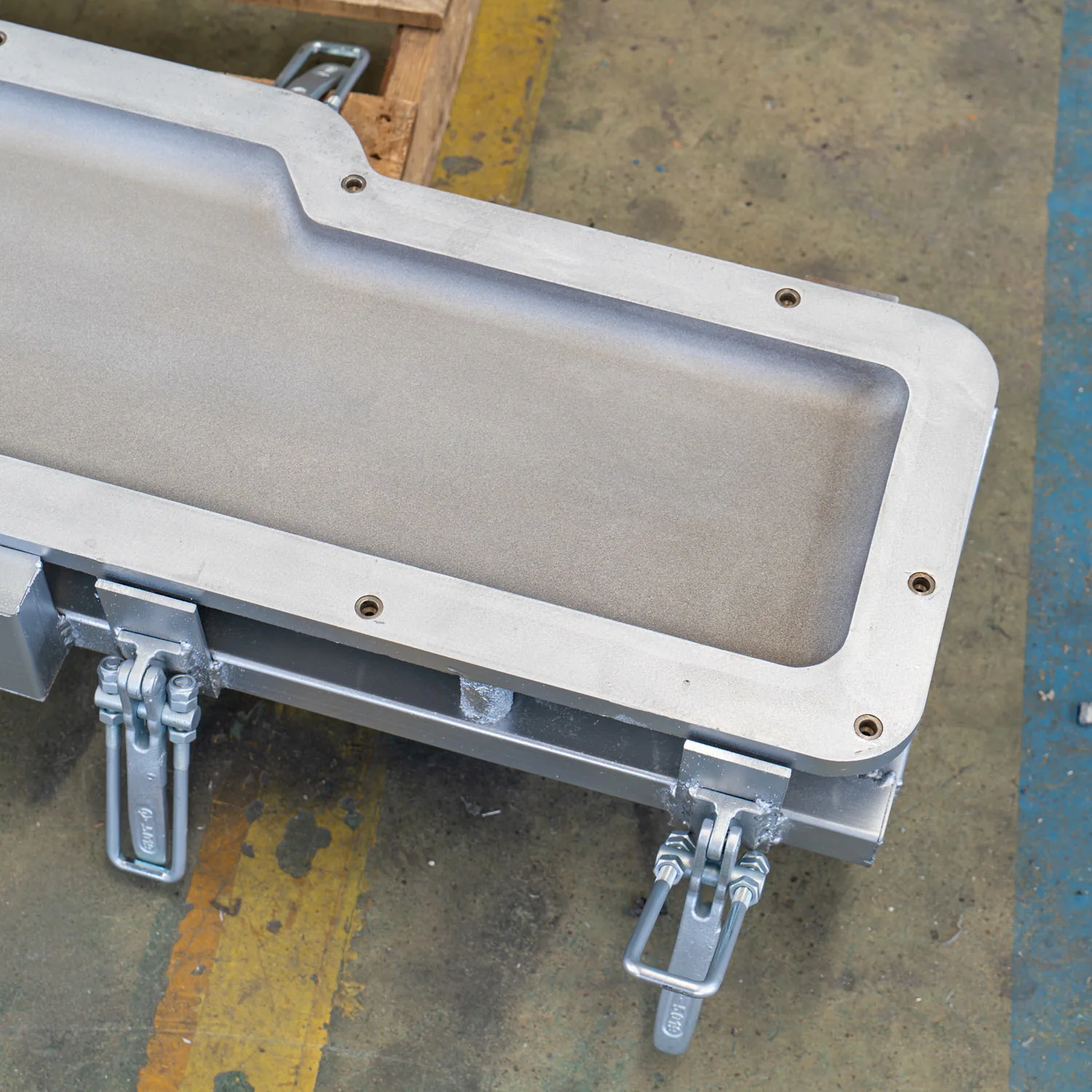
Why Polyethylene Grade Matters in Rotomolded Cases
The Association of Rotational Molders identifies polyethylene as the dominant rotomolding material. Selecting a grade for processability and end use matters more than a generic PE label.
Read story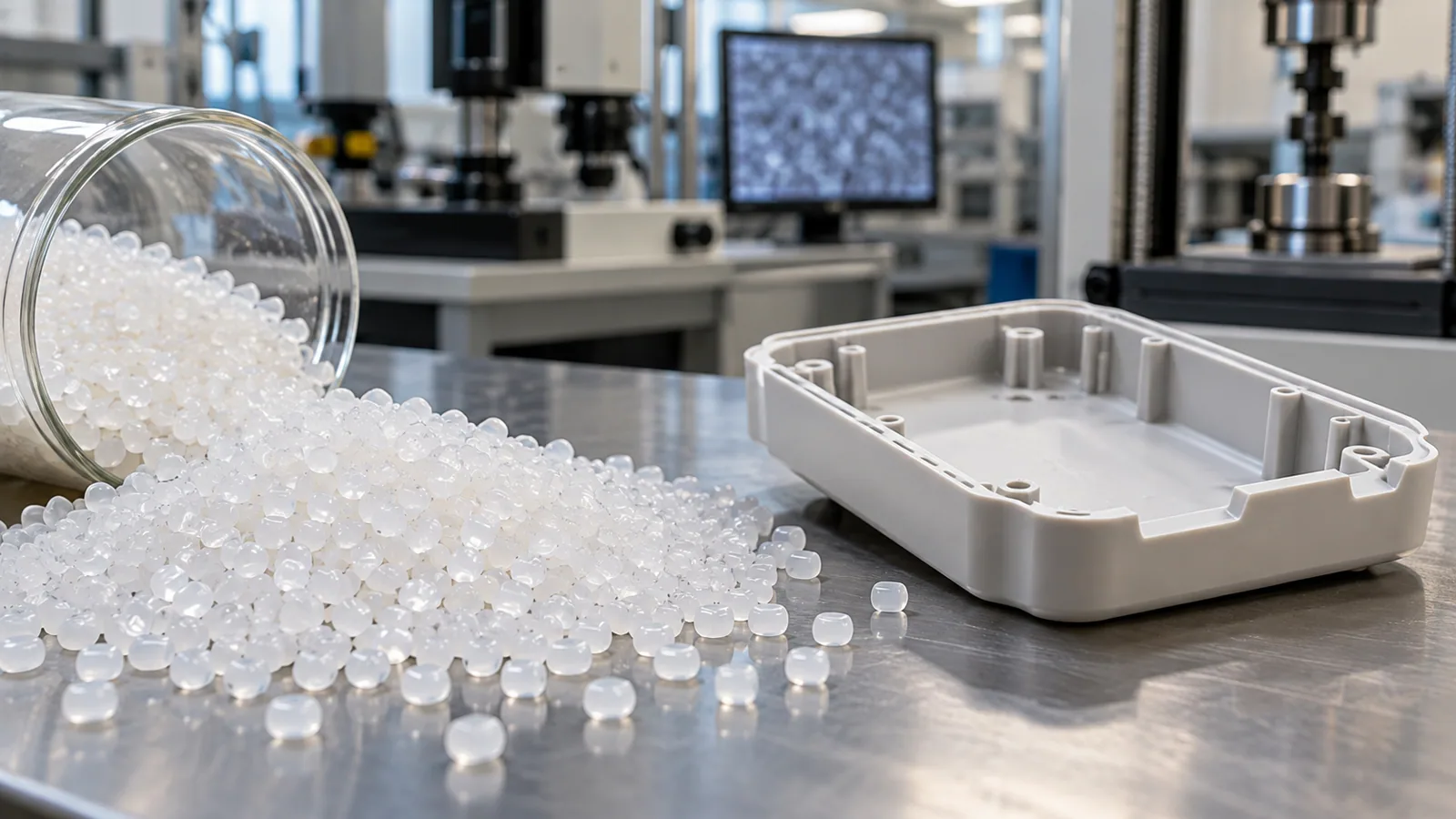
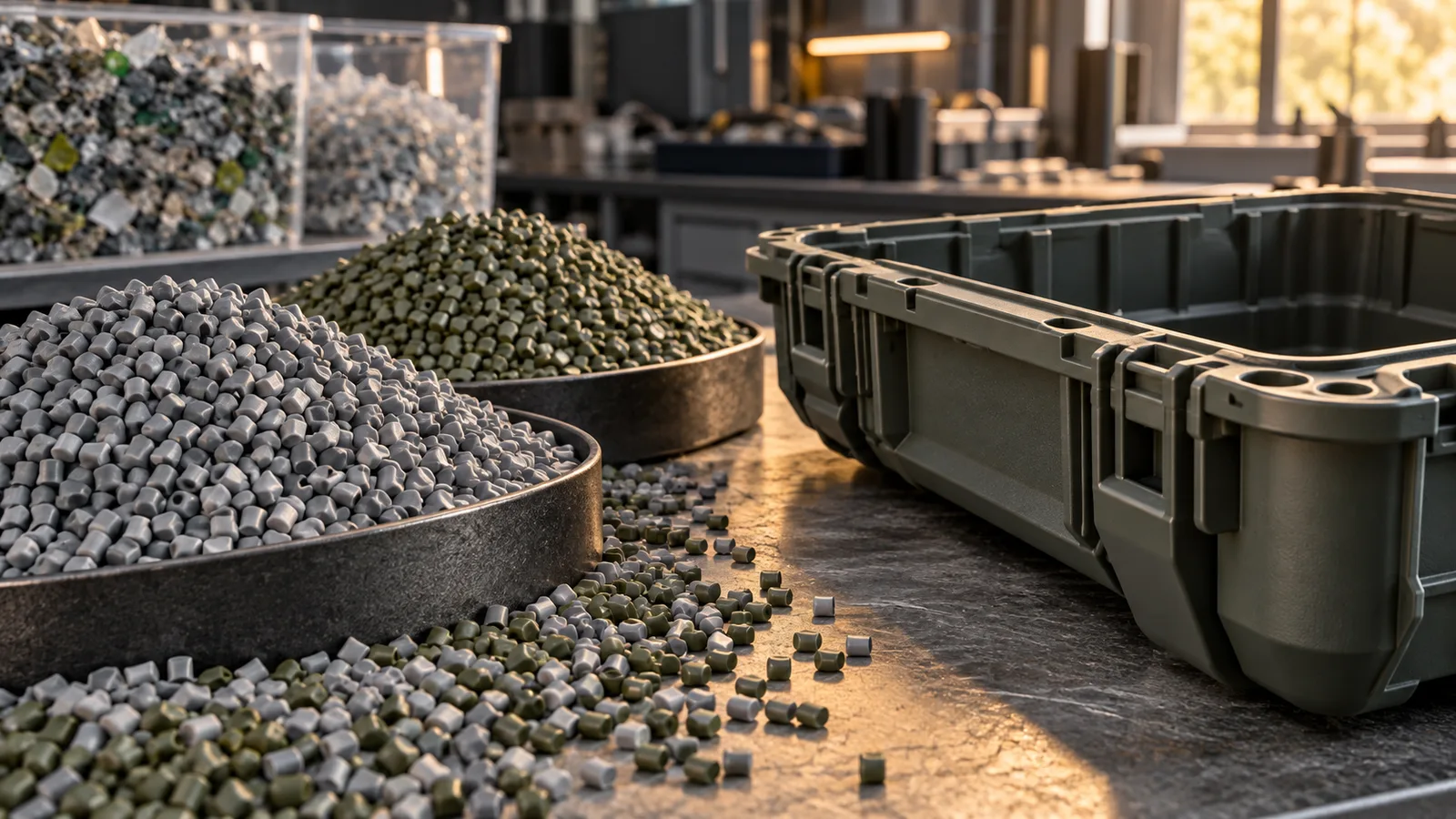
Recycled Resin Is Entering Protective Case Design
NANUK says the shell of its Eco-Friendly Line contains at least 95% post-consumer recycled resin. The example puts material selection and verification in focus for case buyers.
Read story