Why In-House Testing Can Shorten Case Development
Pelican Australia opened an in-house test and evaluation center in 2024. Bringing environmental and mechanical tests closer to design can speed feedback on case configurations.
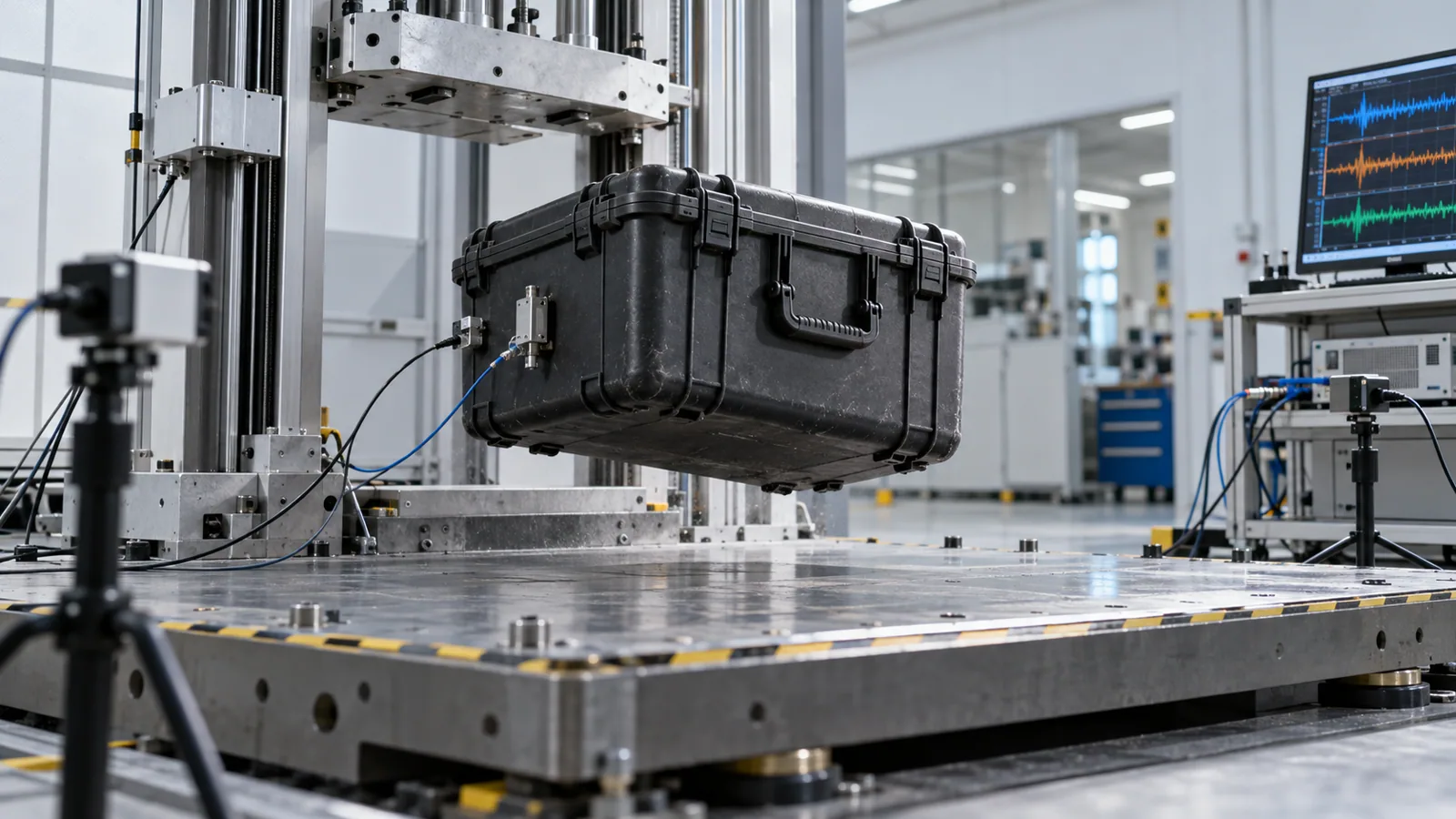
Pelican Australia described a new test and evaluation facility in Victoria with capabilities covering environmental exposure, shock, vibration and drops. The company says integrating testing with manufacturing allows faster design feedback. This is a description of its own facility.
A test result needs a defined sample
The broader engineering lesson is to test the packed system that will actually ship. A different load weight, insert, closure or wheel set can change the outcome. Test plans should identify the sample configuration and acceptance criteria before a supplier claims a performance level.
- Record the equipment mass, position and interior support used in a test.
- Keep photos and reports tied to the exact design revision.
- Repeat relevant tests when key components or materials change.
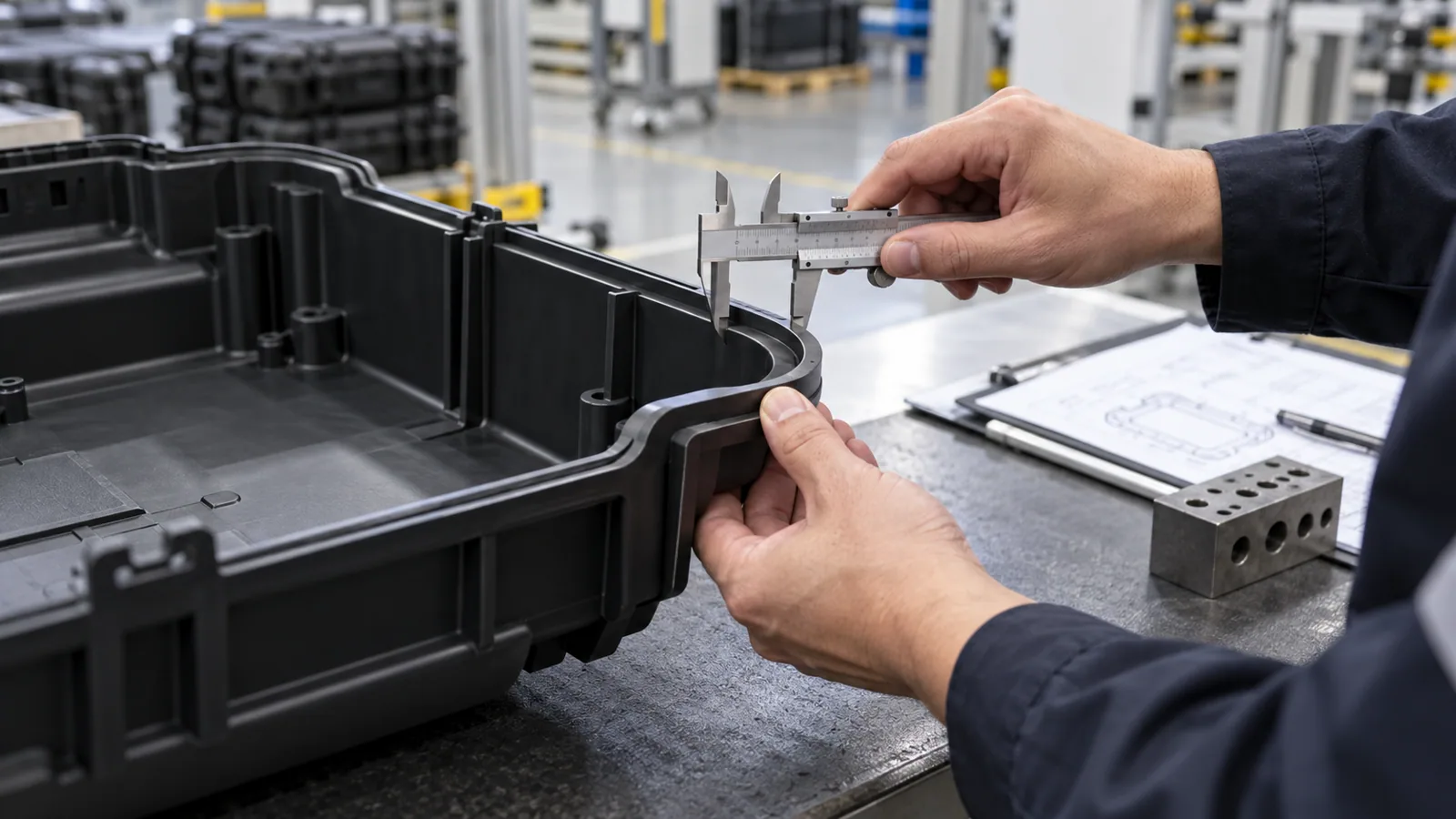
An in-house lab is useful only when its methods and results are documented. The illustrative cover image is not a Pelican facility or a record of a certified test.
Source: Pelican Australia — Test and Evaluation Centre (2024)