Rotomolding Cycle Bottlenecks Depend on the Part
ARM’s technical director explains why cooling, cooking or unloading can limit a rotomolding cycle. Case makers should improve the actual bottleneck while protecting part quality.
Source event: September 29, 2026. In a September 2026 technical article, ARM’s Nick Henwood describes three stages of a rotational molding cycle: heating, cooling and unloading/reloading. He notes that thick-walled parts are often cooling-limited, while machines filled with small parts may be handling-limited. These are process guidelines, not results for any specific case factory.
Faster is useful only when quality holds
Shortening an oven stage will not increase throughput if cooling keeps the machine waiting. More importantly, a case shell can leave the mold too early and distort later. Process improvement should monitor the limiting stage and critical dimensions, not only total minutes.
For custom equipment cases, suppliers should track cycle settings alongside material grade and inspection results. A productivity change that affects lid fit or wall consistency may cost more than it saves.
- Measure heating, cooling and handling times separately.
- Monitor dimensional and wall-thickness results after cycle changes.
- Link process settings to each production revision.
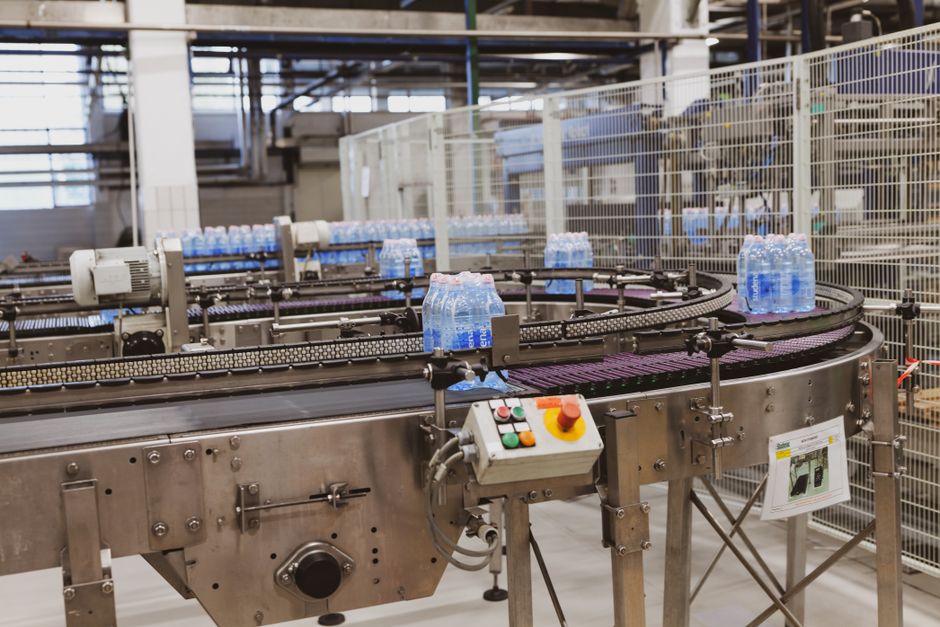
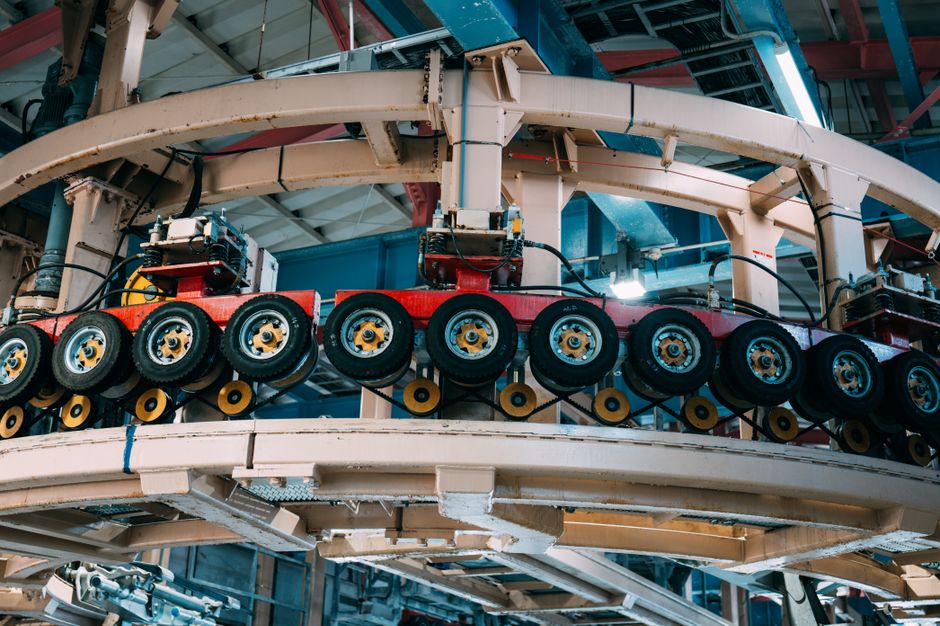
The factory photograph is illustrative and does not show ARM equipment.
Source:
Source: Association of Rotational Molders — machine-cycle analysis