Preparedness Kits Put Organization Inside the Protective Case
Pelican’s preparedness range combines cases with selected emergency supplies. The lesson for organizations is to design storage around inventory, access and replenishment.
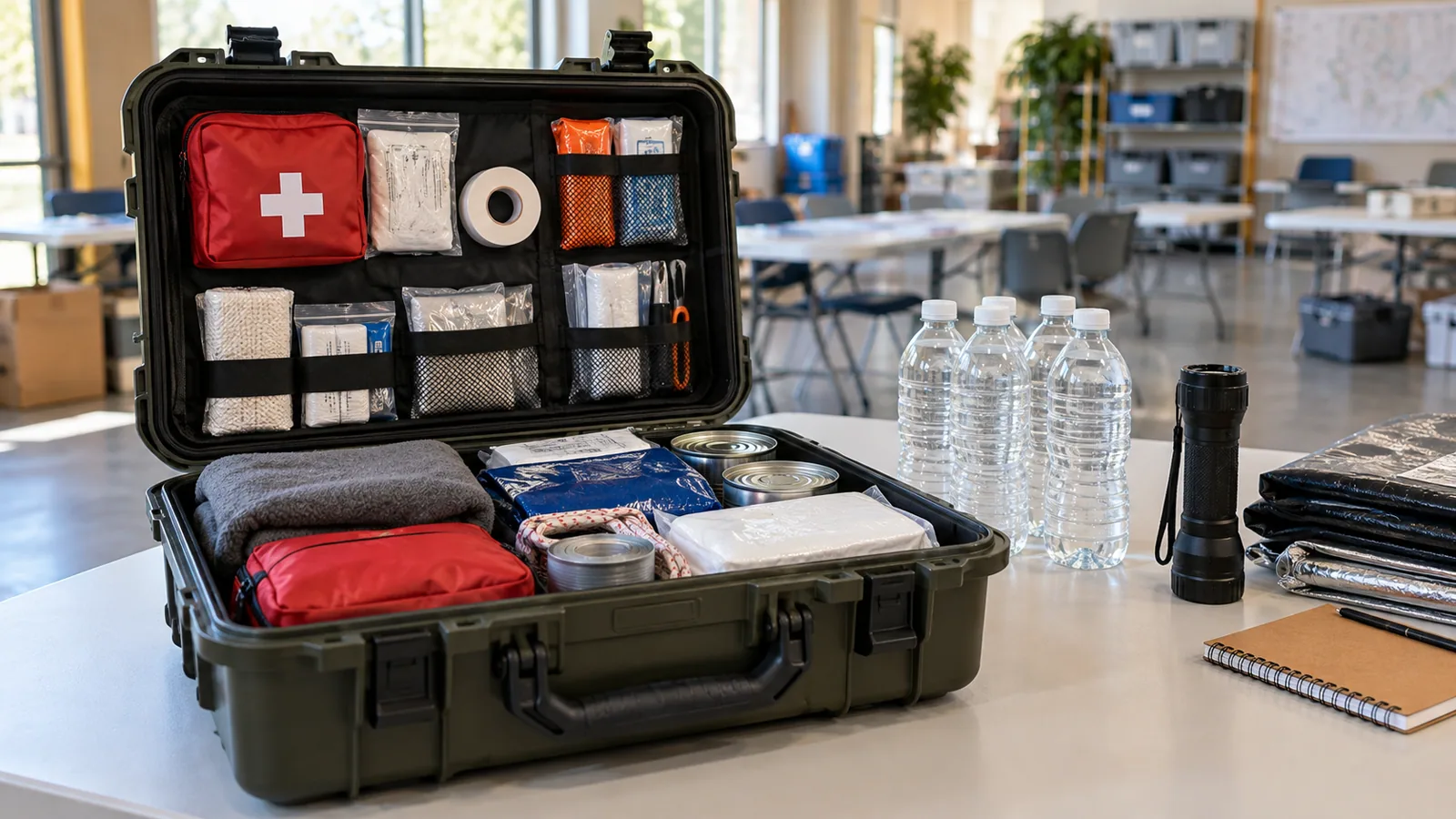
In September 2025, Pelican announced a preparedness line that pairs transport products with curated emergency contents. Its release includes different arrangements for evacuation and shelter-in-place. The announcement illustrates how the contents and the case can be specified as one operational kit.
Build around a repeatable checklist
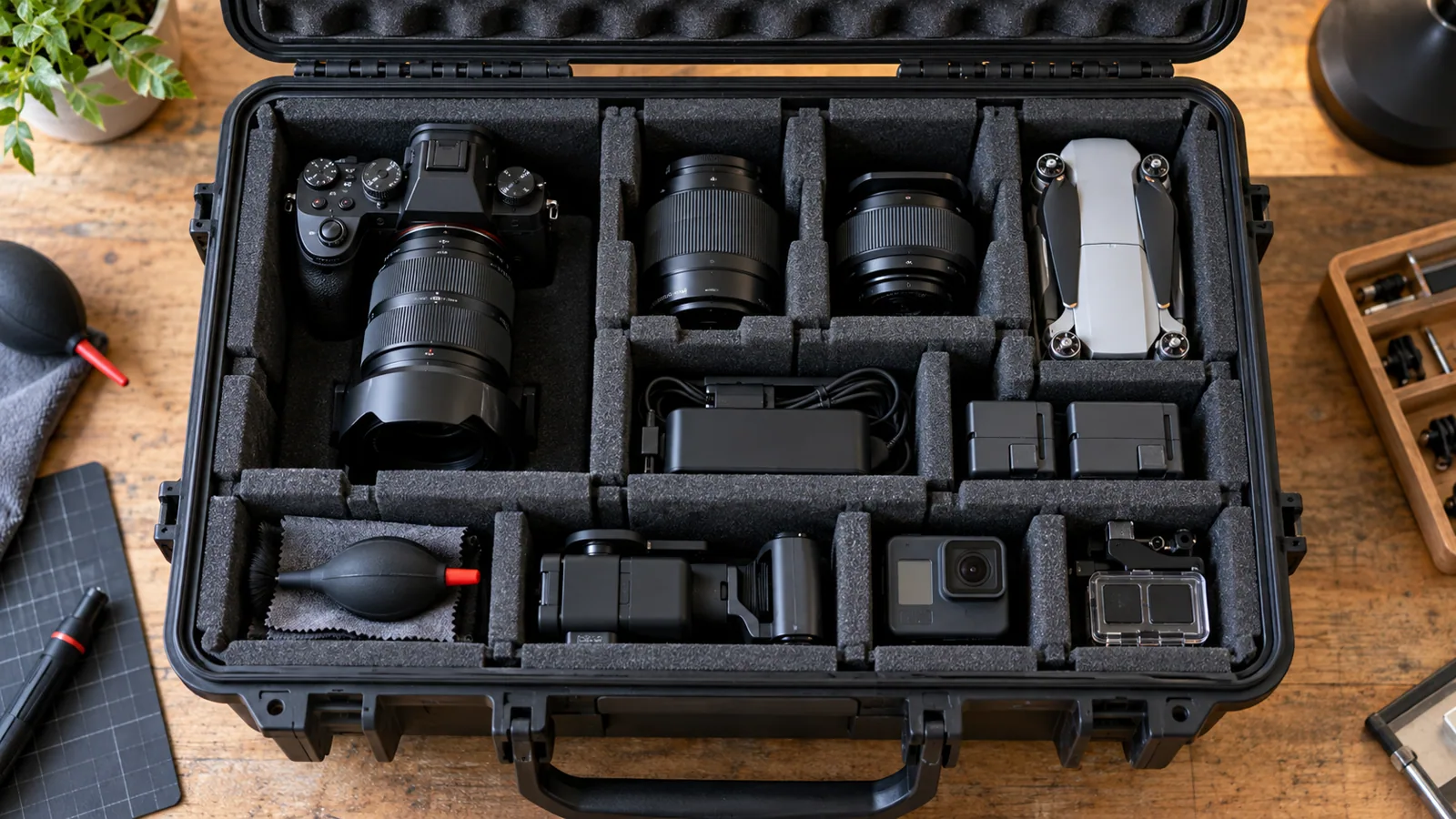
A rugged container cannot make an emergency kit useful if people cannot find supplies quickly or tell when items are missing. Compartments, labels and a documented replenishment process matter as much as the outer case. Organizations should separate time-sensitive consumables from long-life tools.
- Arrange items by task and access priority, not simply by size.
- Provide a visible inventory list and a routine for checking expiry dates.
- Confirm whether the kit must be carried, wheeled or stored at a fixed point.
The source describes Pelican products. CASEROVA’s takeaway is a general planning principle for civilian field and emergency storage, not a claim about any specific kit.