Larger Trauma Kits Need a Clearer Packing Layout
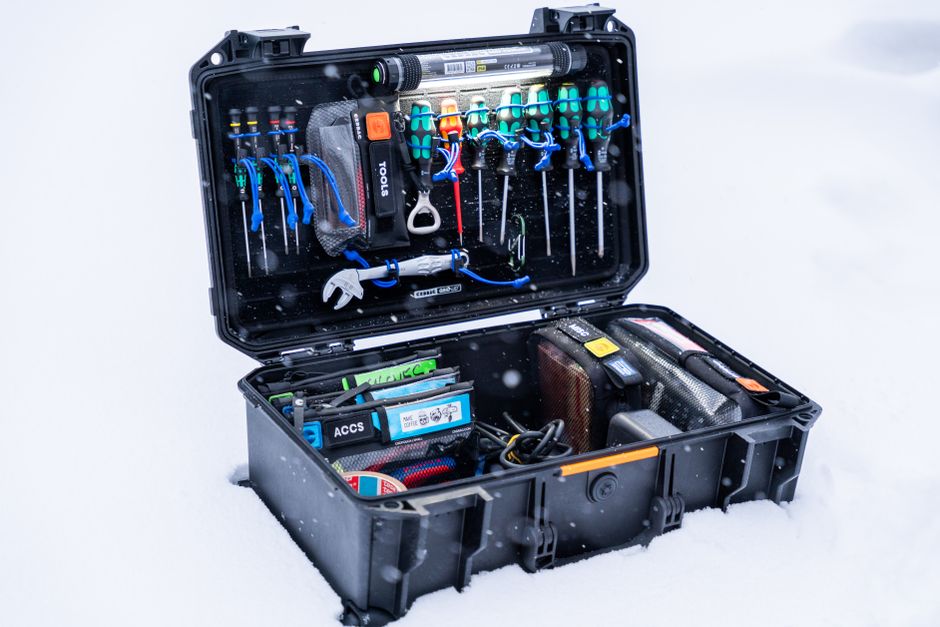
NANUK’s 910 trauma kit places a broader range of supplies in a rugged case. More capacity makes labeling, access order and replenishment more important.
Source event: 2026 product listing. NANUK lists a 910 Trauma & First Aid Kit with an EVA divider and lid organizer inside its 910 case. Its product page identifies supplies for bleeding control, airway support and wound care. The listing does not establish that the kit suits every emergency program.
More volume can slow retrieval
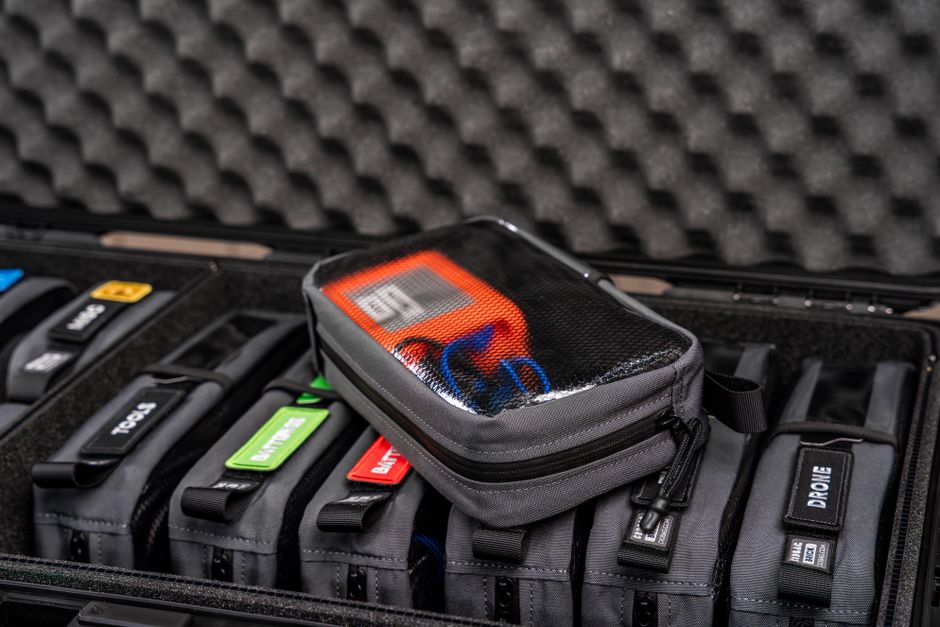
A larger case makes room for additional supplies, but it also increases the chance that small items are buried. Placing high-priority items by task and labeling compartments can help a responder locate them quickly. The packed weight and carrying route also matter.
A first-aid case should be treated as a managed inventory. Consumables expire, seals can be broken and different sites may need different contents. A documented check schedule is necessary even if the container itself remains durable.
- Arrange supplies by response task and access priority.
- Record expiry dates and restock after every use.
- Review the loadout with trained medical staff.
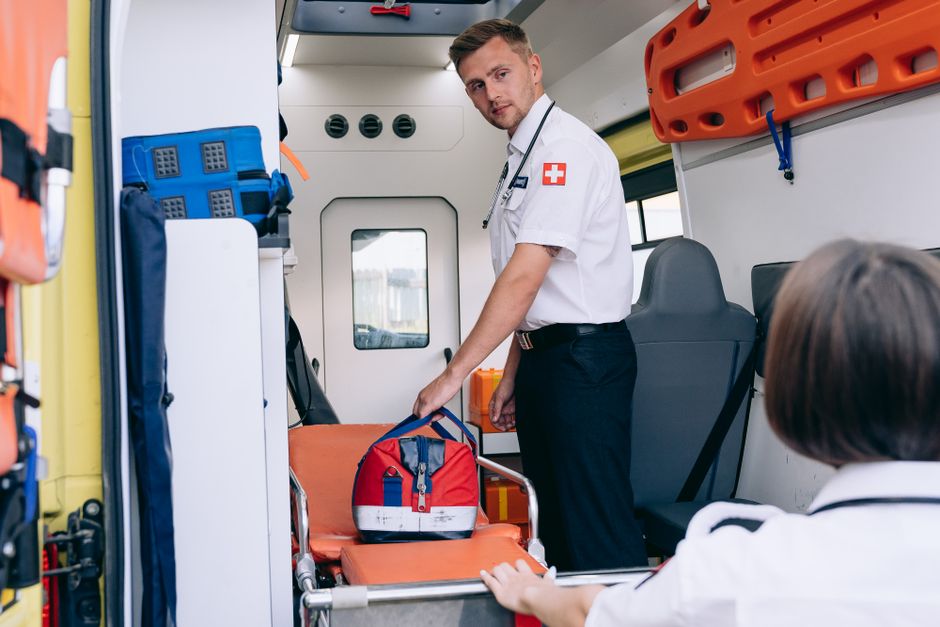
The ambulance photograph is illustrative and does not portray the NANUK 910 kit.
Source: