Custom Transit Cases Reflect a System-Level Packing Brief
Pelican's AUSA 2025 announcement described custom protective cases for the U.S. Army's NGSW program. The broader design lesson concerns equipment restraint, accessories and team-level logistics.

Source event: October 13, 2025. In October 2025 Pelican described protective transit solutions for the Next Generation Squad Weapon program, including a frame-based layout for multiple items and dedicated positions for accessories. These are Pelican's program statements; they do not imply CASEROVA participation or a comparable qualification.
The insert is part of the transport design
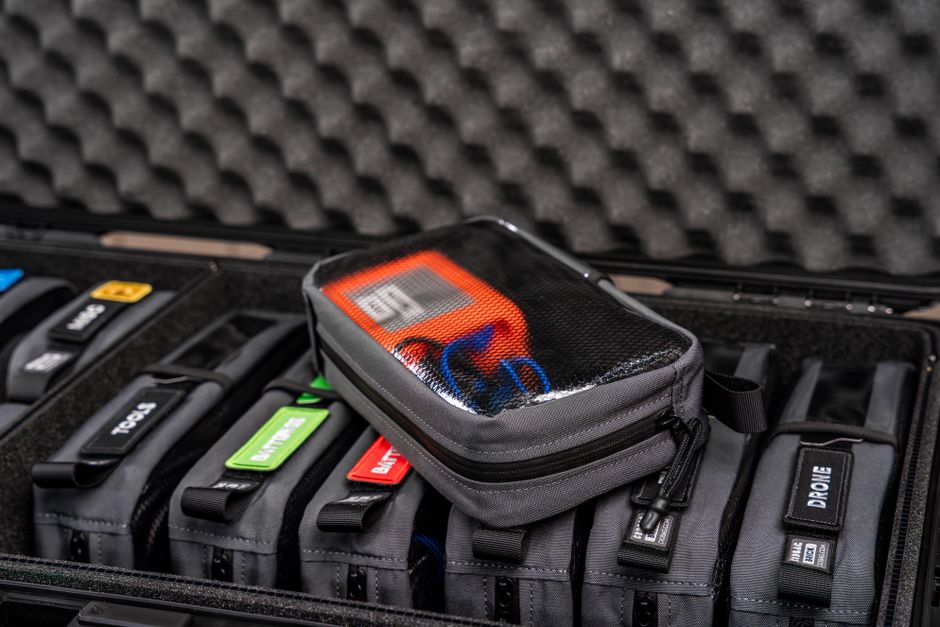
For any sensitive equipment, an oversized empty case can be as problematic as a shell that is too small. Retention points, foam geometry and the location of heavy accessories determine whether items move during handling. The layout should also make missing components visible during handover.
Single-item and team-level loads call for different checks. A larger shared case may reduce the number of containers, yet it can become difficult to move when fully loaded. Handles, wheels, stackability and total packed mass need to be reviewed together.
- Design the insert around the full accessory list.
- Check safe handling at the final packed weight.
- Require a documented inventory and restraint inspection.
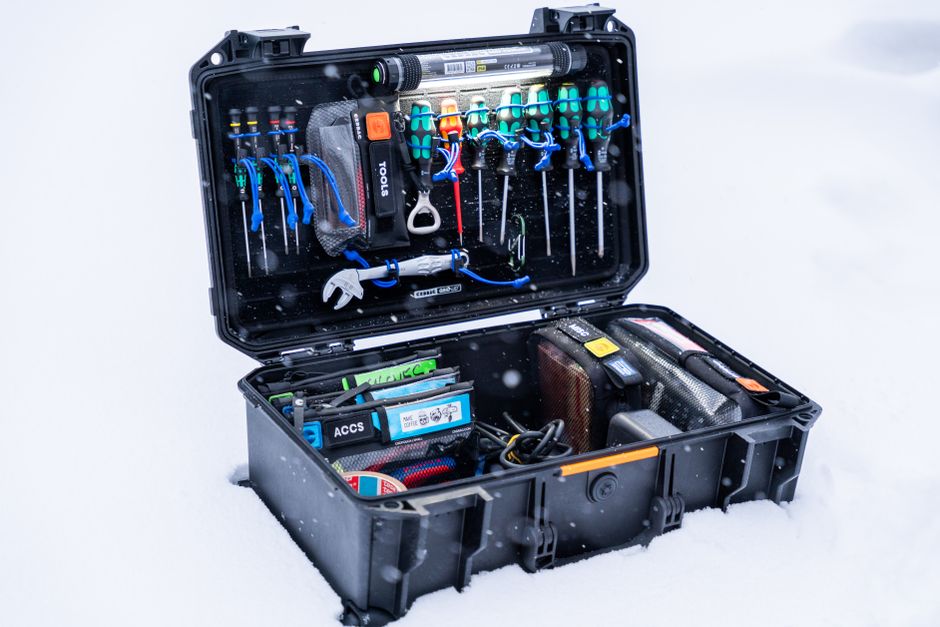
The cover is a general transit-case scene, not a photograph of the named program.
Source: