Compact Bleed-Control Cases Put Inventory and Access First
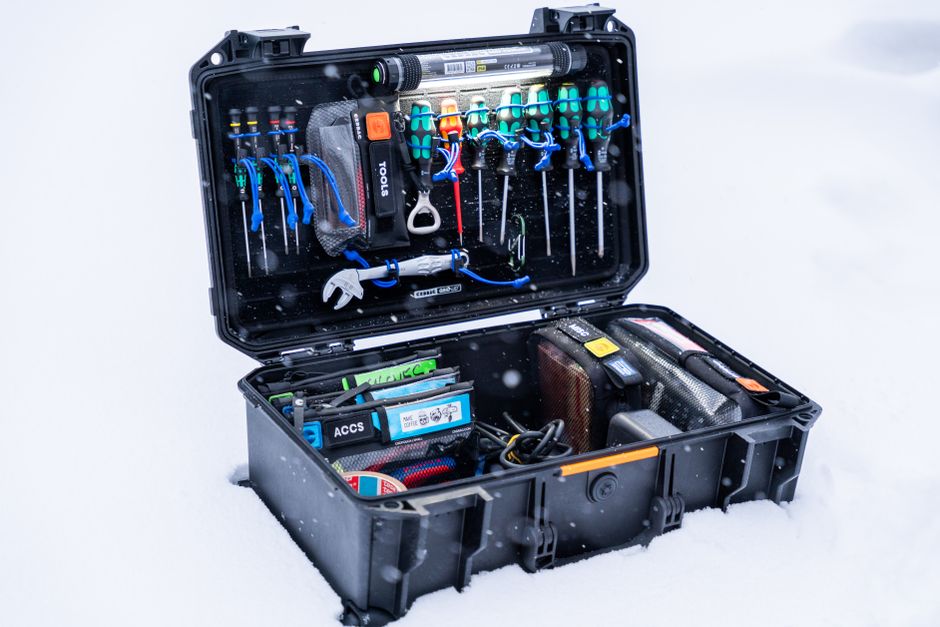
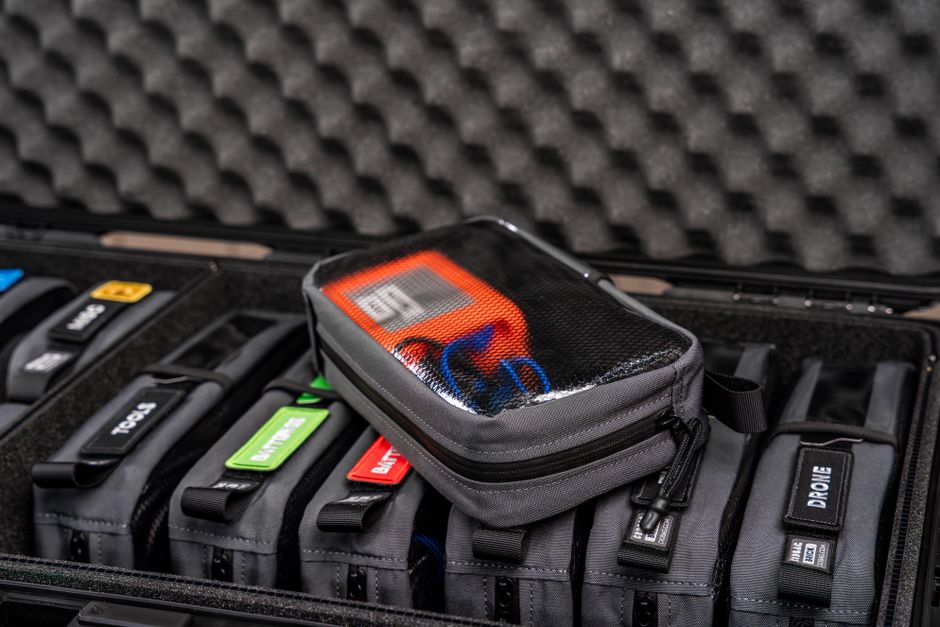
NANUK’s 903 Bleed Control Kit shows how a small rugged case can organize urgent-response supplies. The broader lesson is to make contents visible, serviceable and ready.
Source event: 2026 product listing. NANUK lists a 903 Bleed Control Kit with a molded divider, lid organizer and trauma supplies in a compact hard case. The product page describes its intended use for emergency hemorrhage control. This is a manufacturer listing, not an independent clinical outcome study.
The case must support the response workflow
When seconds matter, the right item should be findable without emptying the whole box. A divider can reserve positions for tourniquets, dressings and gloves; a clear checklist can reveal missing or expired stock before deployment.
Equipment protection and medical readiness are different requirements. Organizations need training, replenishment and inspection routines alongside a case that survives storage and movement. The actual contents should be reviewed by qualified medical personnel for the intended setting.
- Use a visible inventory and expiration-date check.
- Test access with gloves in realistic conditions.
- Keep refill procedures and staff training documented.
The cover is a generic medical-case photograph and does not depict the NANUK kit.
Source:
Source: NANUK — 903 Bleed Control Kit