ISTA Sustainability Survey Tracks Packaging Priorities in 2026
ISTA invited packaging professionals to its 2026 sustainability survey. The effort underscores the need to balance transit protection, material use and practical recovery.
Source event: 2026. ISTA invited industry participants to its 2026 Sustainability Survey, saying it would track progress and evolving priorities in transport packaging. A survey request is not itself a finding about which material or package design has the lowest impact.
Protection is part of sustainability
Packaging that uses less material but allows more product damage may shift waste elsewhere in the system. A reusable case can reduce repeated material demand, yet it may require return transport and maintenance. Meaningful comparisons should consider delivered product, trip count and real disposal or recovery routes.
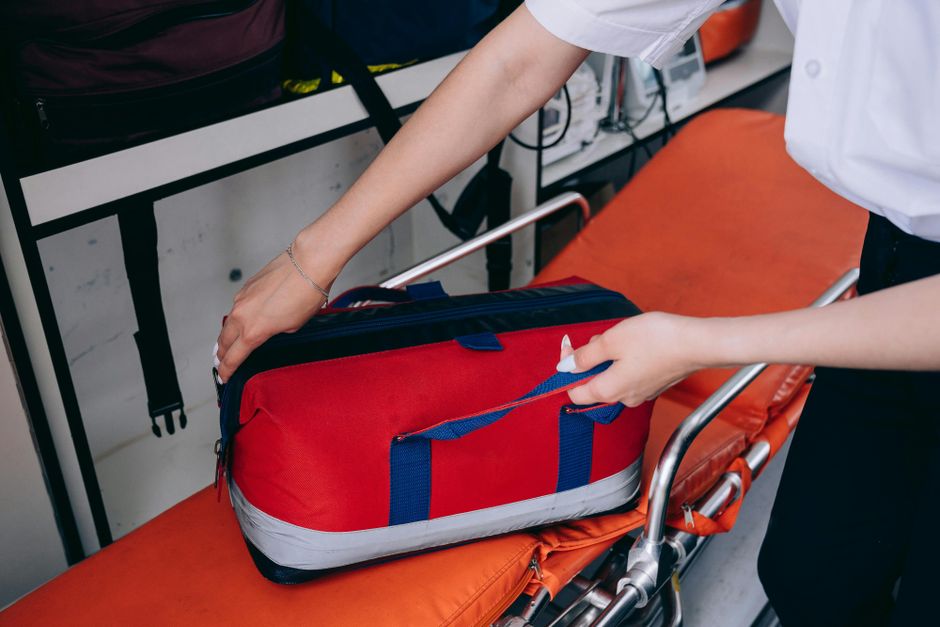
For an equipment case, design teams can document both the protective requirement and the environmental assumptions. Damage rates, repairability, reusable inserts and actual end-of-life routes are more useful than an unqualified claim that a package is green.
- Measure outcomes per successful shipment.
- Include product damage and returns in comparisons.
- Verify local recovery options before making recycling claims.
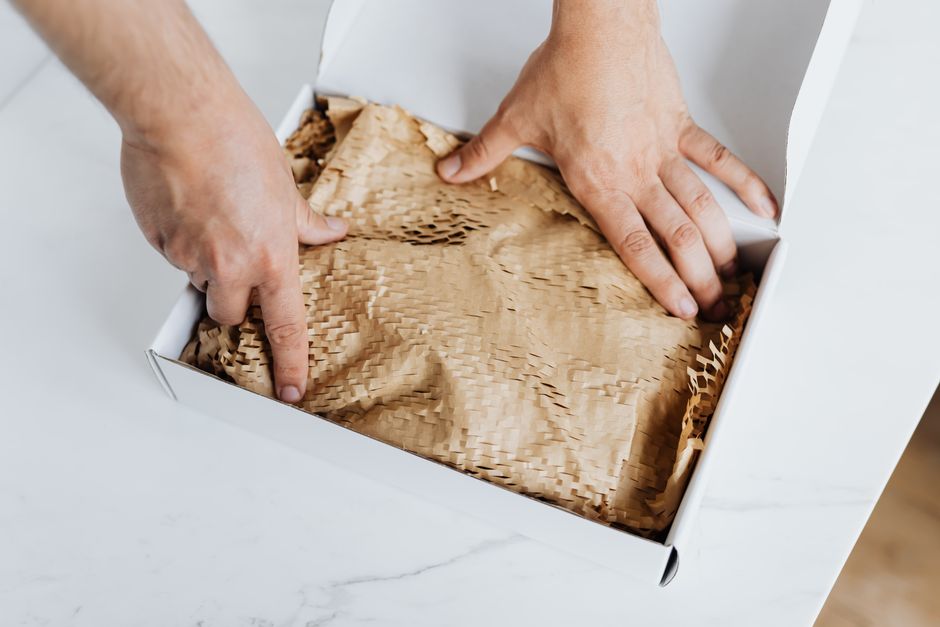
The packaging photograph is illustrative and does not show an ISTA survey result.
Source: