Drone Response Programs Put Transport Readiness in Focus
Skydio’s public-safety drone program highlights how aircraft, docks and software work together. For mobile teams, the related transport case must also organize batteries, controllers and accessories.
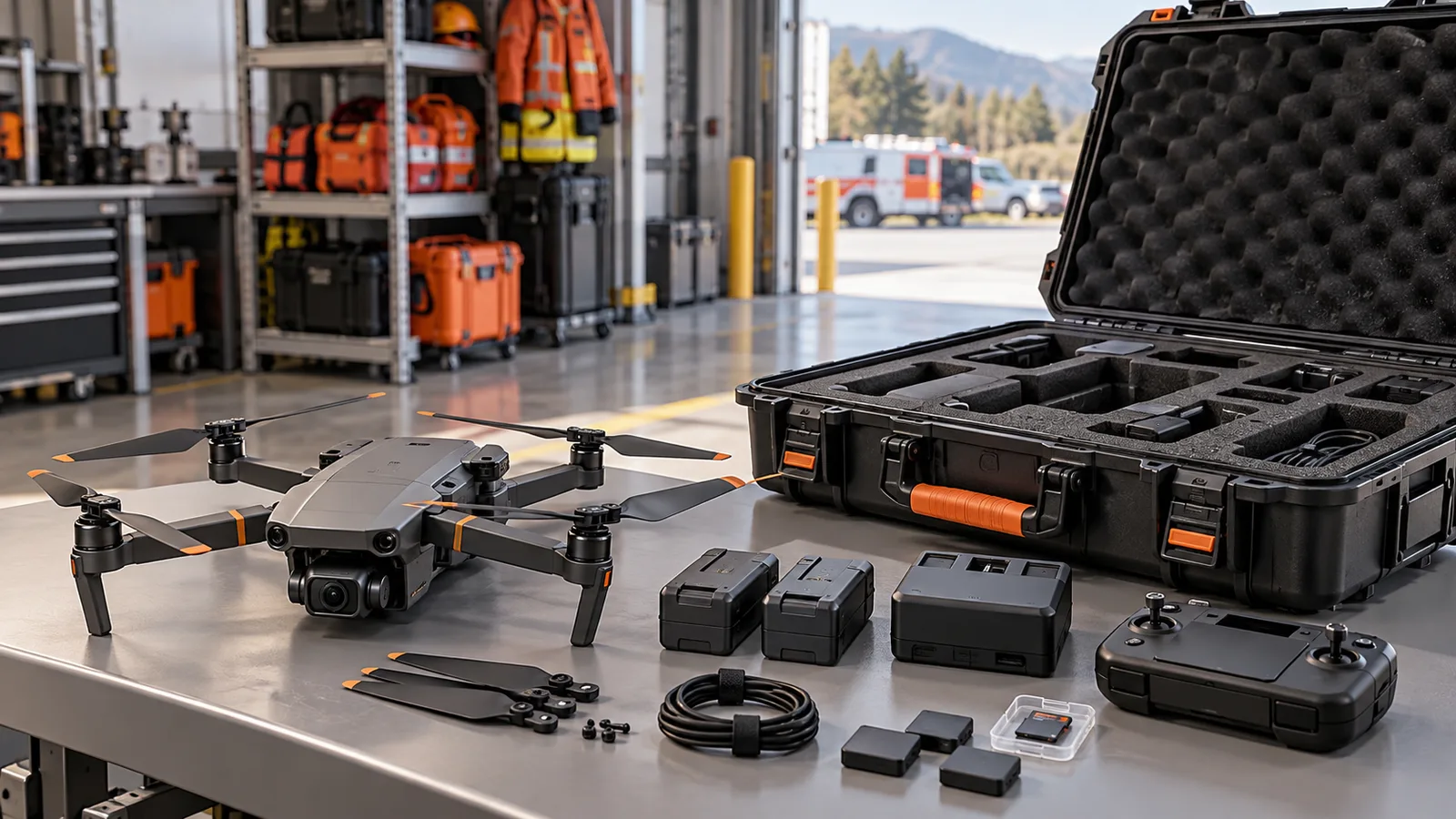
In February 2025, Skydio described its DFR Command offering as part of a wider Drone as First Responder system linking aircraft, docks and operating software. Its announcement focuses on operational readiness and response workflows. It does not specify a transport case; the packaging considerations below are CASEROVA’s design interpretation for teams that move drone equipment between sites.
A mobile kit is more than the aircraft
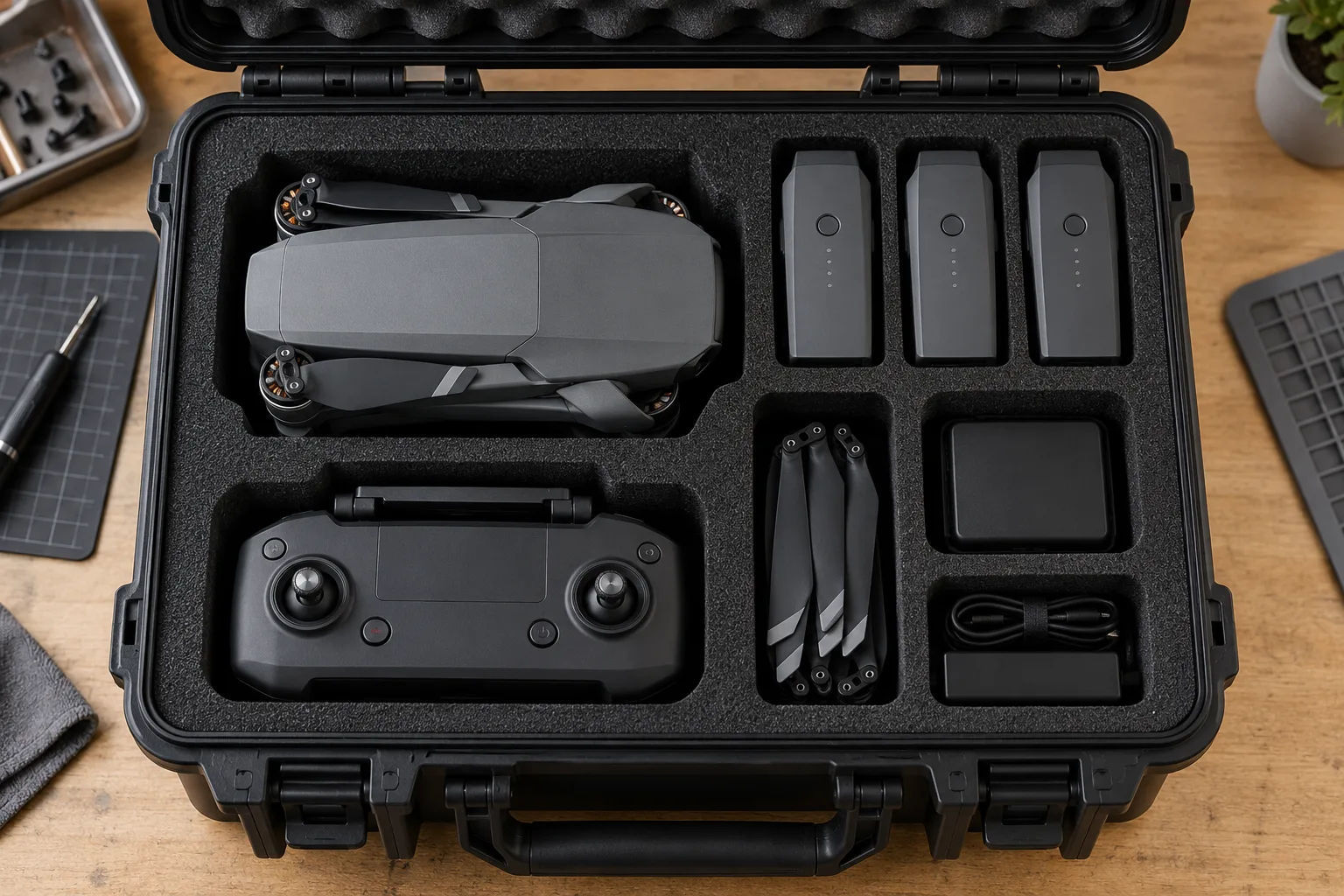
A field kit may include a folded drone, controller, spare batteries, charging equipment and small tools. Each component has a different shape and handling need. A protective case can reduce loose-item movement and make it easier to check that the right kit is present before departure.
Design around the actual workflow
- Measure every component in its transport state, including folded arms and attached accessories.
- Plan separate, labelled cavities for batteries and fragile sensors.
- Confirm handling, weather-exposure and transport requirements with the end user before choosing shell and sealing details.
Where lithium batteries are transported, operators must follow the applicable carrier and transport rules. Case layout alone does not establish regulatory compliance. The practical goal is a clear, repeatable packing arrangement matched to the equipment and the team’s procedures.